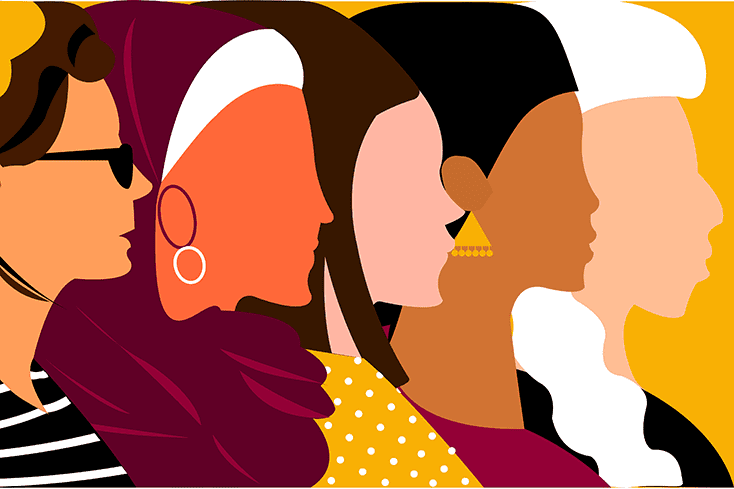
The social rules governing Middle Eastern families may be as different as their migration stories, but the attitudes towards mental health are similar.

When it comes to fostering effective advocacy and creating meaningful social change, we cannot underestimate the power of the words we use along the way.
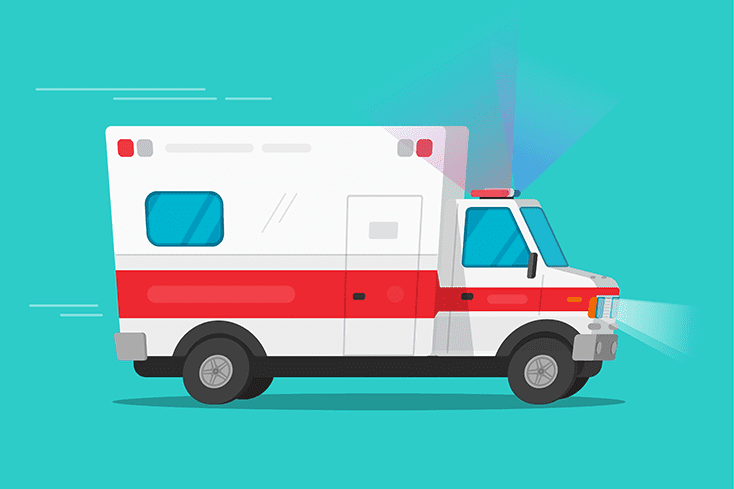
Rethinking Emergency Response to Mental Health Crises
Read More
Embracing Hip-Hop Music in Mental Health Treatment
Read More
My Experience as a Transgender Physician with Mental Illness
Read More
Approaching Mental Health Care with a Trauma-Informed Perspective
Read More
Coming to Terms with Mental Illness and My Identity
Read More
Mobile Crisis Teams: Providing an Alternative to Law Enforcement for Mental Health Crises
Read More
Five Tips to Cope with Double Discrimination
Read More
Managing Depression as an Asian American
Read More
Music Therapy: More Than Just Entertainment
Read More
I Am Allowed: Healing My Childhood Trauma and Accepting My Feelings
Read More
Growing Up with Panic Attacks
Read More
How Parents Can Support their College Students’ Mental Health
Read More
My Journey to Reduce the Stigma Around Male Disclosure of Child Sexual Abuse
Read More
To Improve Student Mental Health, We Need More Than Crisis Response
Read More
Advancing The Youth Mental Health Conversation Through Novels
Read More
5 Tips to Help Young Children Understand Anger
Read More
How I Talk About Mental Health with My Kids
Read More
I Didn’t Treat My Son’s Mental Illness. Now, We Both Face the Consequences.
Read More
The Story of an Adolescence, Interrupted
Read More
Recognizing My Daughter’s (and My Own) Anxiety Warning Signs
Read MoreNAMI HelpLine is available M-F, 10 a.m. – 10 p.m. ET. Call 800-950-6264,
text “NAMI” to 62640, or email. In a crisis, call or text 988 (24/7).