
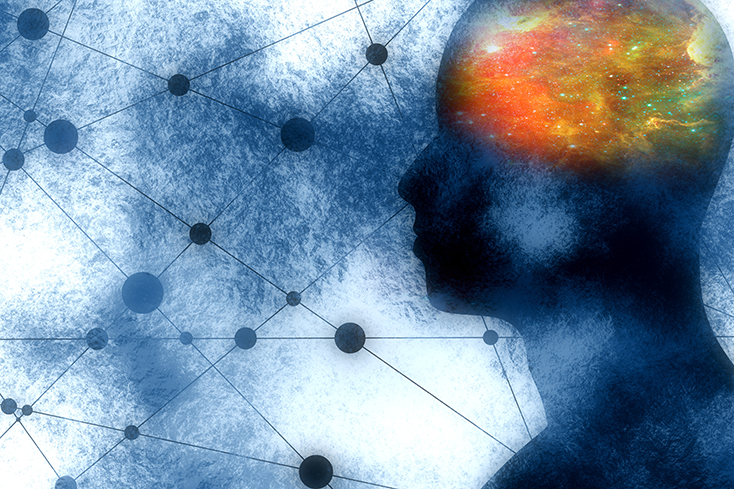
It is important to emphasize the pivotal role that research occupies in shaping the trajectory of mental health treatment.

Building a suicide prevention program is a complex — and likely emotional — challenge.

The Power of Insight Building for People with Mental Illness
Read More
Rethinking How We Measure Progress in Mental Health Treatment
Read More
The Dual Life of Being a Peer with Bipolar Disorder and a Mental Health Clinician
Read More
Losing a Client to Suicide: Navigating the Aftermath as a Therapist
Read More
More than a Patient: Using a Recovery-Based Approach
Read More
Black Men and Mental Health: Practical Solutions
Read More
How We Can Improve our Approach to Treating Psychosis
Read More
Thoughts on The Pandemic, Trust Issues and Trauma Survivors
Read More
Caring for Those Who Care for Us: Physician Suicide Awareness and Prevention
Read More
Recent Changes May Affect Access to an Important Medication
Read More
Overcoming Stigma: Helping People Accept Their Mental Illness Diagnoses
Read More
Aspects of Culturally Competent Care That We Don’t Talk About (But Need To)
Read More
How the Mental Health Community Can Support Black Mental Health
Read More
How Lived Experience and Identity Shape Mental Health Counseling
Read More
The Most Common Symptom That Is Rarely Asked About
Read More
Trauma in Children of Latinx Immigrants
Read More
Disgust: A Natural Emotional Response to Abuse
Read More
6 Ways You Can Help a Loved One on Their Healing Journey
Read More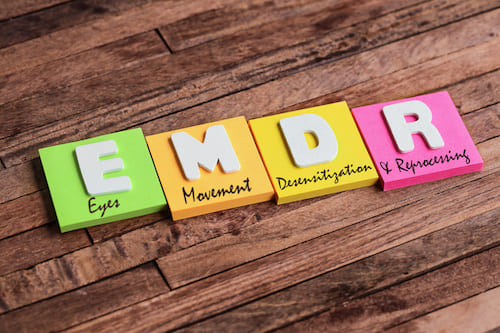
Experiencing Both Perspectives of EMDR: Provider and Patient
Read More
Self-Help Techniques for Coping with Mental Illness
Read MoreNAMI HelpLine is available M-F, 10 a.m. – 10 p.m. ET. Call 800-950-6264,
text “NAMI” to 62640, or email. In a crisis, call or text 988 (24/7).