

We need to begin adjusting our expectations of young adults and what they should accomplish by a certain age.
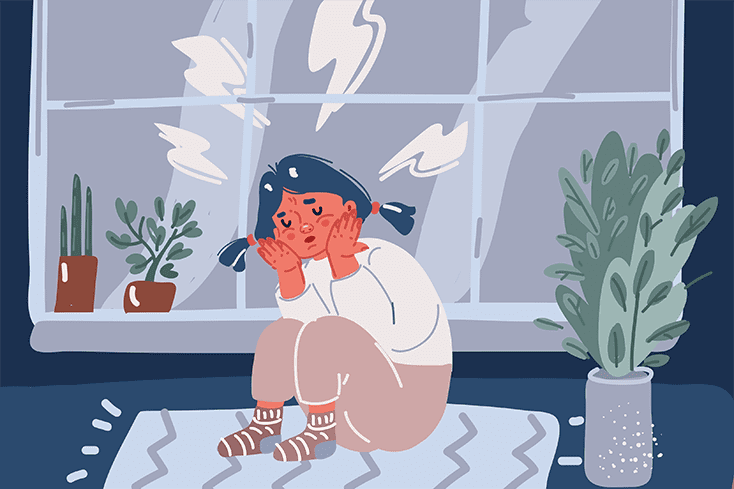
For the survivor who experienced abuse within a historically marginalized community, the difficulty of building connections may be even more complex.

Emotional Recovery from Psychosis: Trusting and Believing in Yourself Again
Read More
Addressing Youth Mental Health in NAMI’s Next Book
Read More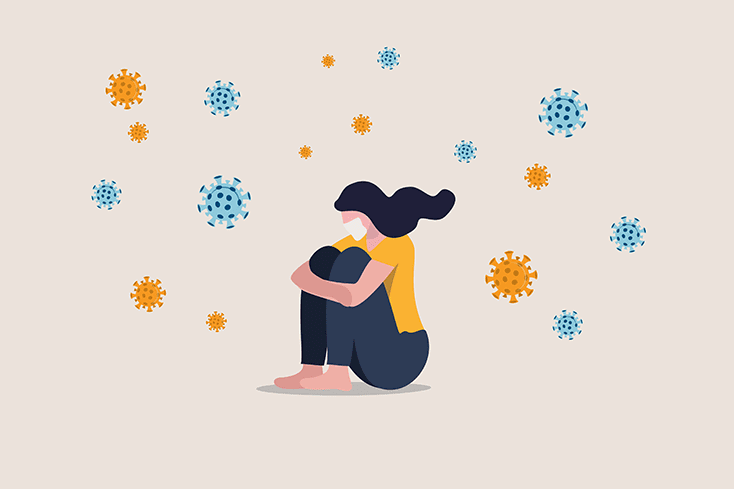
Thoughts on The Pandemic, Trust Issues and Trauma Survivors
Read More
Expressive Arts Therapy: A Sensory Approach to Trauma Healing
Read More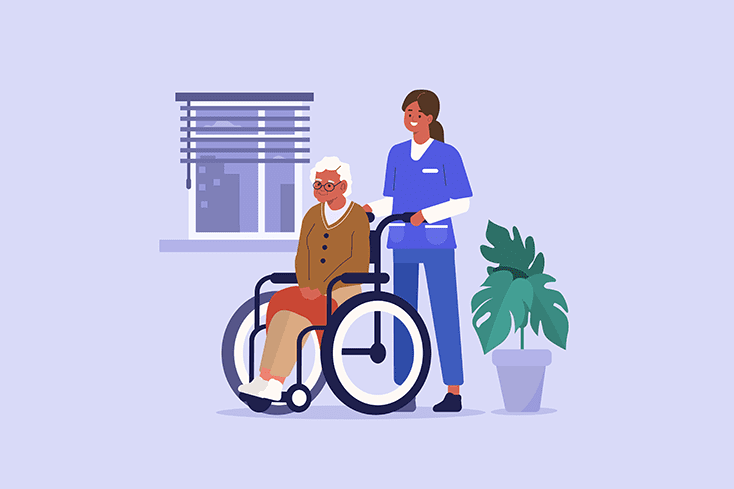
Building Stronger Mental Health Support for Caregivers
Read More
Breaking Through Family Trauma: Finding Healing and Forgiveness
Read More
Missing The Signs: Reflecting on My Son’s Mental Health Journey
Read More
My Son Has Schizophrenia. This is My Advice to Caregivers.
Read More
Confronting Mental Health Challenges in Rural America
Read More
Surviving Suicide Loss and Embracing the Power of Remembrance
Read More
Navigating Secondary PTSD: Surviving the War That Came Home
Read More
Telling Your Partner about Your Mental Health Diagnosis
Read More
My Son is a Missing Person
Read More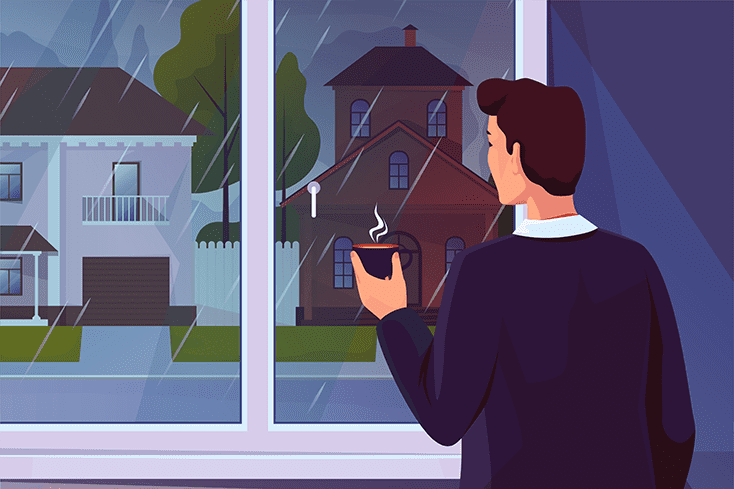
What I Want my Neighbors to Know About My Mental Illness
Read More
5 Truths I Discovered on My Road to Recovery
Read More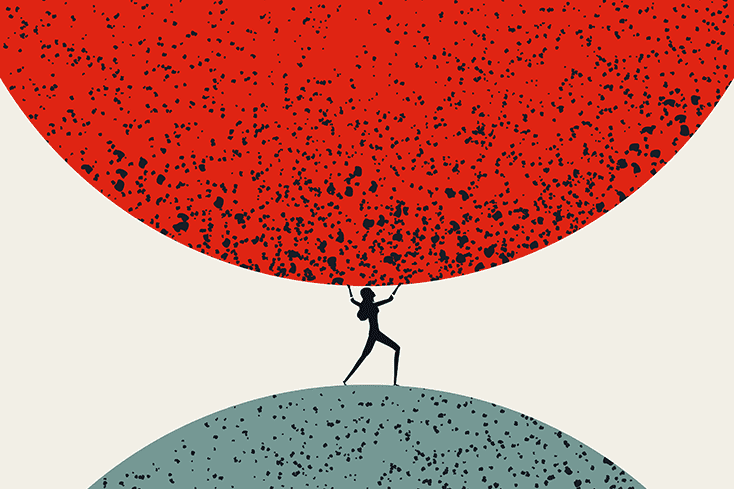
Surviving Motherhood and Mental Health: What I Wish I Knew When Life Went Off-Script
Read More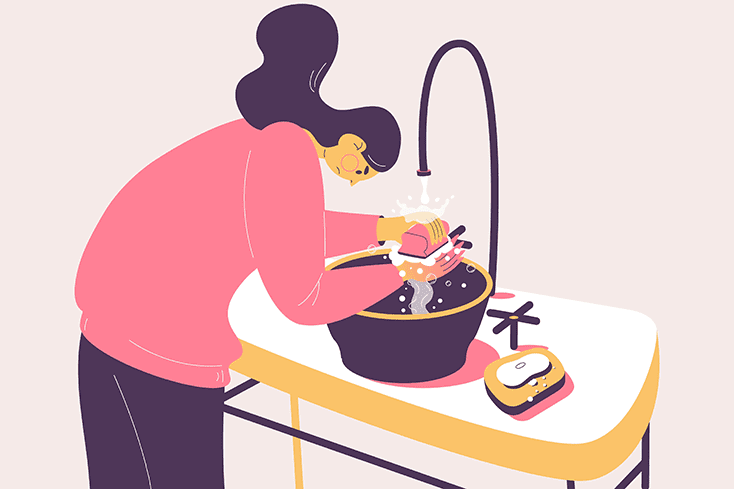
Observing 27 Years with OCD
Read More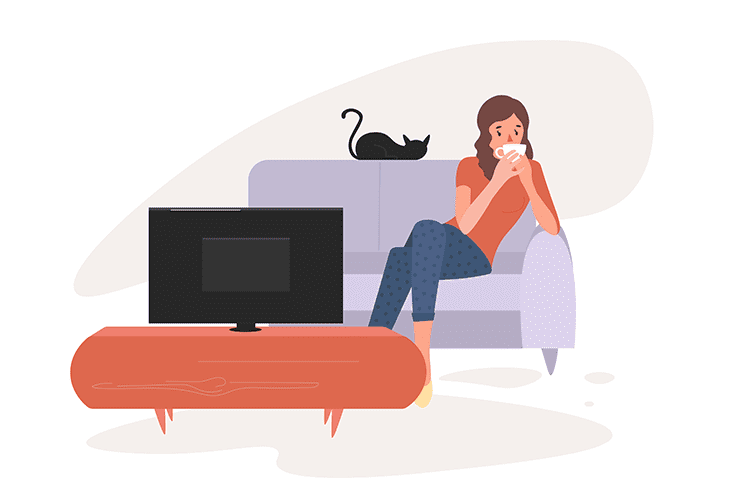
Five Schizophrenia Coping Skills I Can’t Live Without
Read More
What I Wish I’d Known About Caregiving: 7 Tips To Navigate Mental Health Challenges in Your Family
Read More
What I Wish I’d Known: The Art of Disclosing
Read MoreNAMI HelpLine is available M-F, 10 a.m. – 10 p.m. ET. Call 800-950-6264,
text “NAMI” to 62640, or email. In a crisis, call or text 988 (24/7).