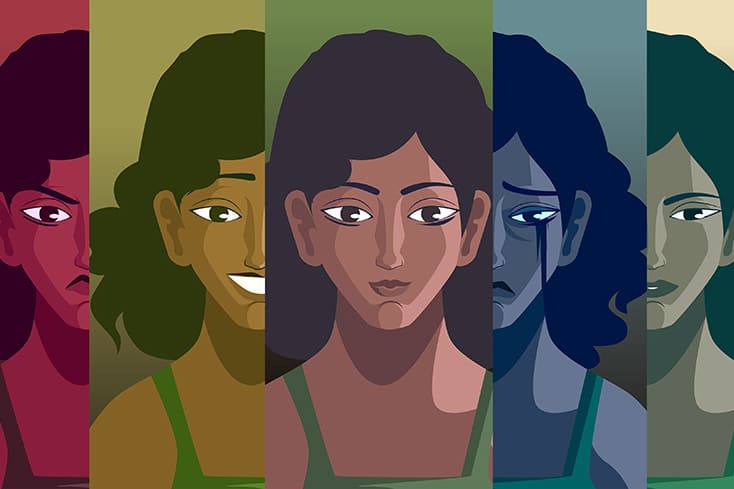
BPD is not an easy condition to live with. TV shows and films that portray us as volatile, manipulative and “crazy” only compound our struggles.
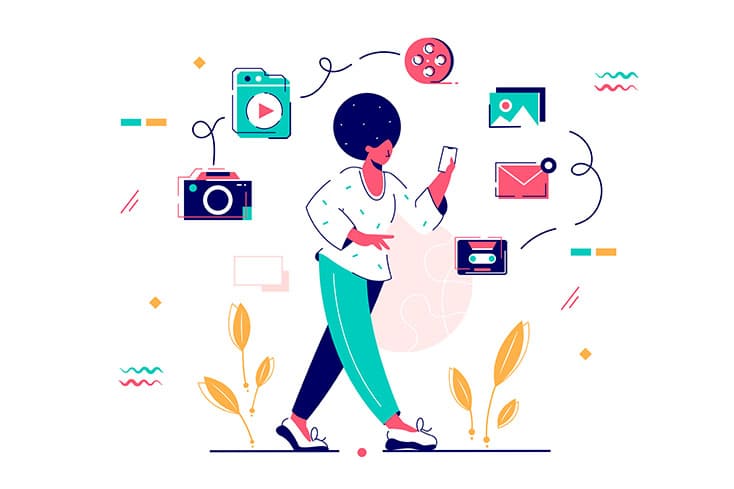
Social media’s role in changing the dialogue could be considered a critical step in addressing barriers to treatment.
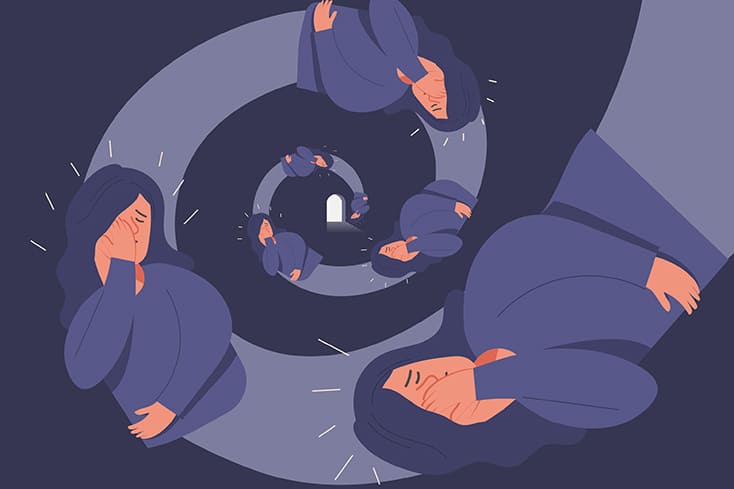
The Not So Pretty Version of Obsessive-Compulsive Disorder
Read More
Six Underrated Depictions of PTSD in Movies and TV
Read More
From Villain to Hero: Reimagining the Role of Mental Health in Pop Culture
Read More
The Stigmatizing Word Hidden in Mental Health Conversations
Read More
Finding Myself in the Main Character of “Prozac Nation”
Read More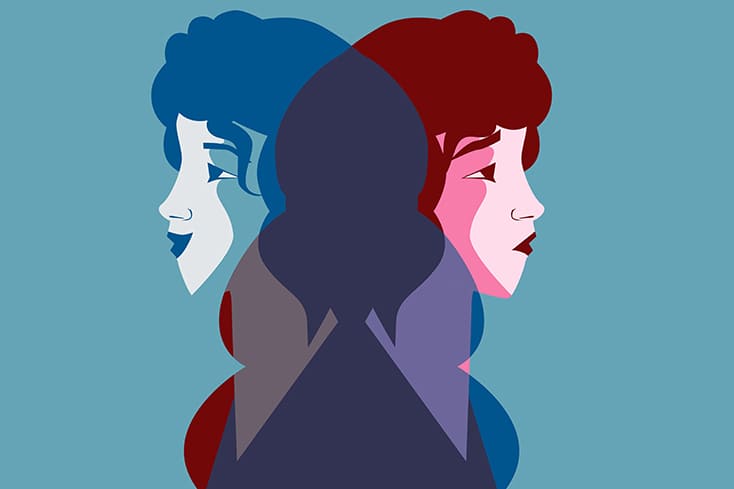
Dissociative Identity Disorder: A Misrepresented Diagnosis
Read More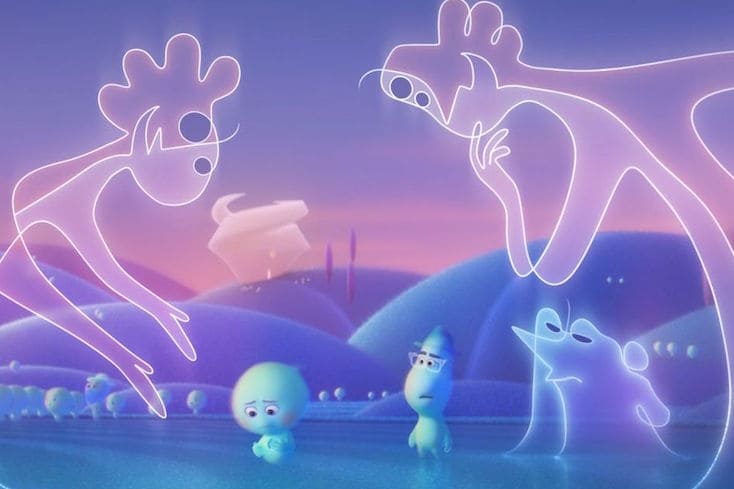
The Missing Piece of Disney’s “Soul”
Read More
Using Lived Experience to Adapt Mental Health Language
Read More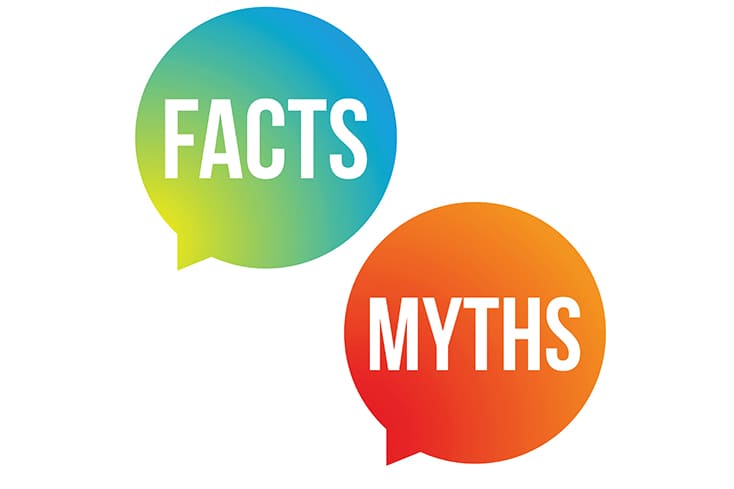
Myths and Facts of Bipolar Disorder
Read More
The Importance of Explaining Our Lived Experience
Read More
Lived Experience Matters: Coming Out and Sharing
Read More
The Pain of Not Seeking Help for My PTSD
Read More
How Understanding My OCD Helped Me Manage It
Read More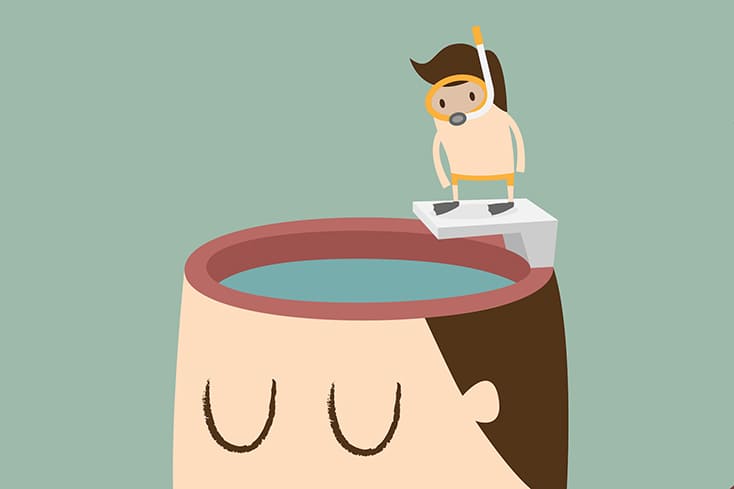
The Many Impacts of Self-Stigma
Read More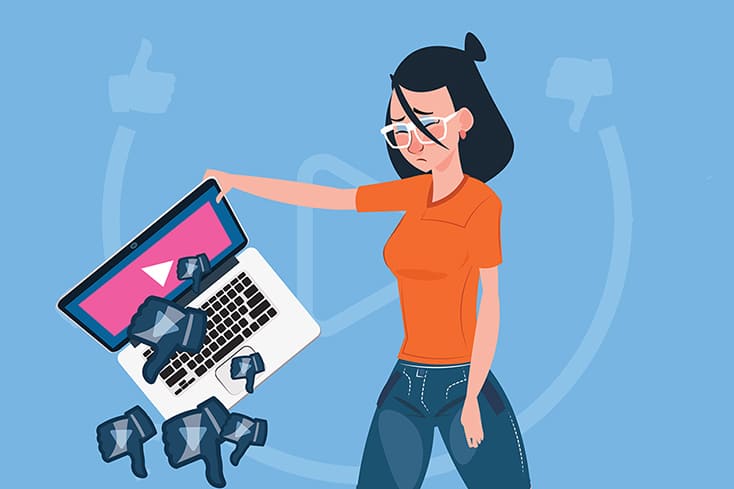
Why We Need Responsible Representation in the Film Industry
Read More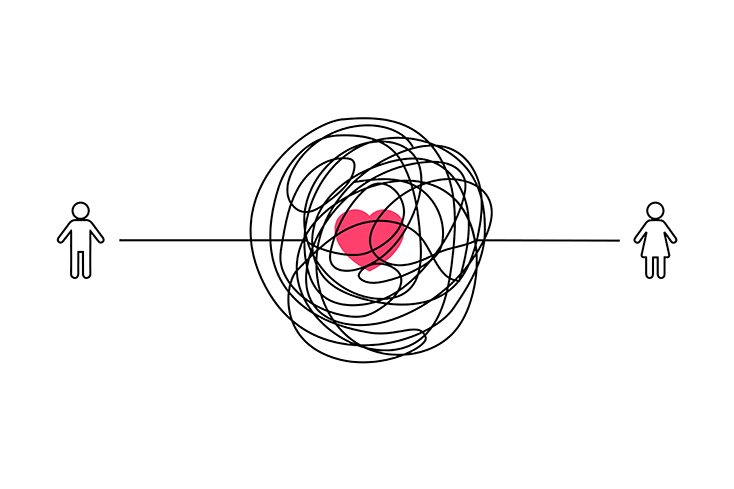
Finding a Partner Who Accepts My Mental Illness
Read More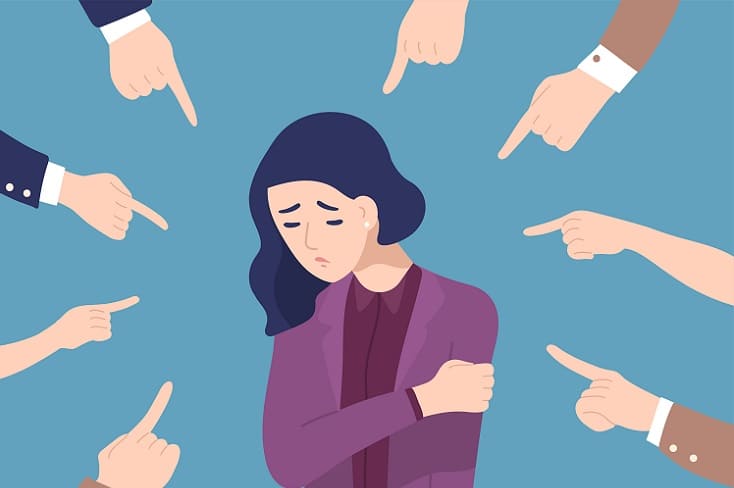
Why Stereotypes About Psychosis Are Harmful
Read More
What People Get Wrong About Bipolar Disorder
Read More
What People with Mental Illness Want You to Know
Read More
5 Common Myths About Suicide Debunked
Read MoreNAMI HelpLine is available M-F, 10 a.m. – 10 p.m. ET. Call 800-950-6264,
text “NAMI” to 62640, or email. In a crisis, call or text 988 (24/7).