

Mental health care should be available to all who need, it regardless of their financial status.
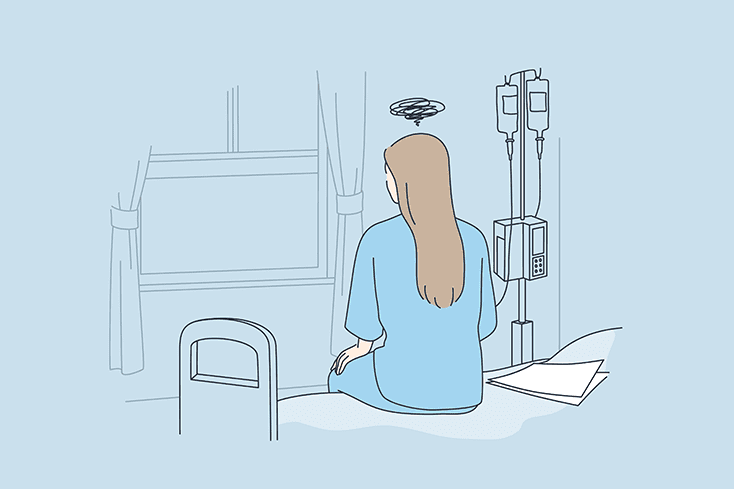
The assumption that physical symptoms must be psychosomatic is dangerous to people with mental health conditions.

Overcoming Cultural Barriers on the Road to Recovery
Read More
Bipolar Depression: The Lows We Don’t Talk About Enough
Read More
Are You Really Treatment Resistant?
Read More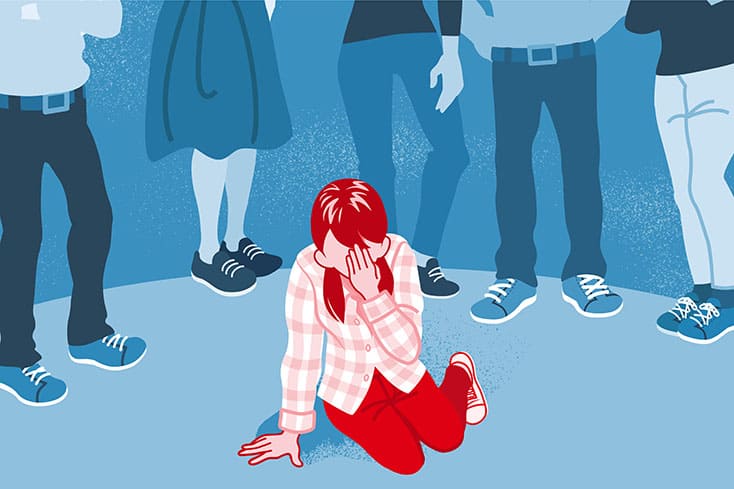
How Kate Spade’s Suicide Opened My Eyes to the Impact of Stigma
Read More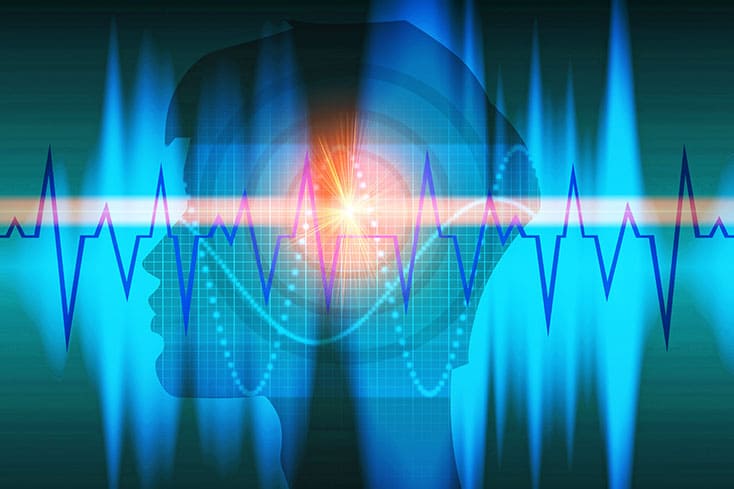
Neurofeedback: A Complement to Talk Therapy and Medication
Read More
Veterans’ Mental Health Myths That Should Be Dispelled
Read More
Buddhist-Derived Psychotherapies for Borderline Personality Disorder
Read More
The Truth About Dissociative Identity Disorder
Read More
The Transdiagnostic Dimensional Approach: Another Way of Understanding Mental Illness
Read More
How the Mental Health Community Can Support Black Mental Health
Read More
Addressing the Increased Risk of Postpartum Depression for Black Women
Read More
Finding my Voice in Therapy as a South Asian
Read More
Fighting Gender-Based Harassment and Depression
Read More
Accepting My Sexuality in Eating Disorder Recovery
Read More
What My Brothers Taught Me About the Importance of Early Intervention
Read More
Stereotypes and Seeking Care in a Racialized America
Read More
How To Navigate the Overwhelming Volume of Mental Health Apps
Read More
My Daughter’s First Episode of Psychosis
Read More
Warning Signs of Mental Illness in Children
Read More
Myths and Facts of Bipolar Disorder
Read MoreNAMI HelpLine is available M-F, 10 a.m. – 10 p.m. ET. Call 800-950-6264,
text “NAMI” to 62640, or email. In a crisis, call or text 988 (24/7).