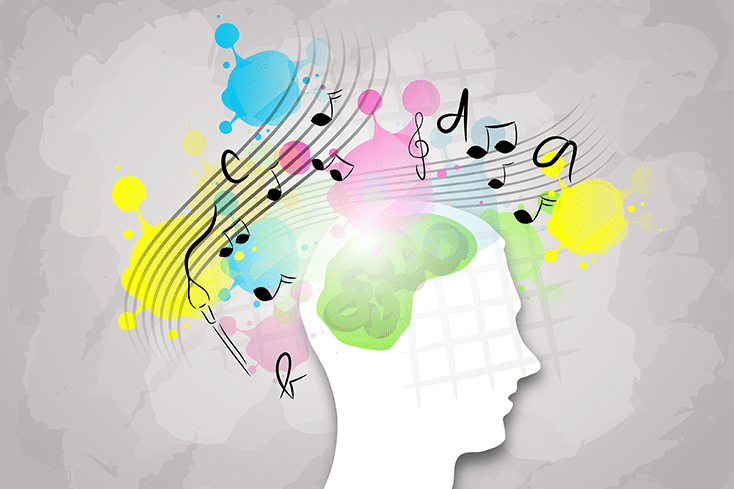
Through music therapy, clients can improve depressive symptoms, develop positive relationships and address loneliness, grief and loss.
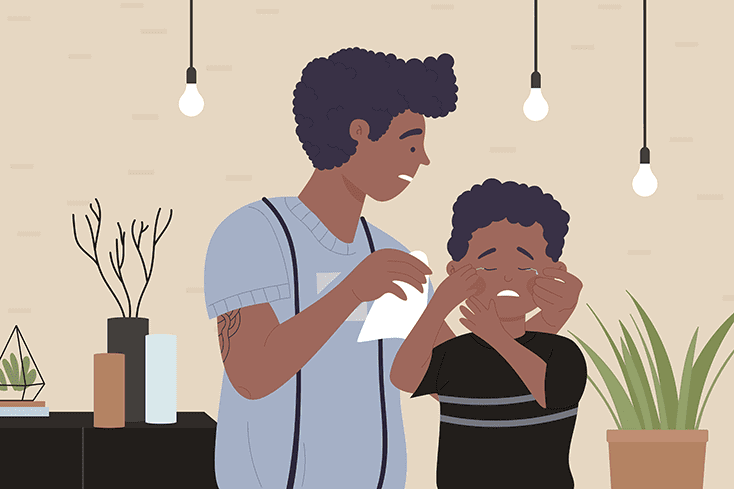
Most children require guidance, support and instruction as they learn to identify and regulate their anger.
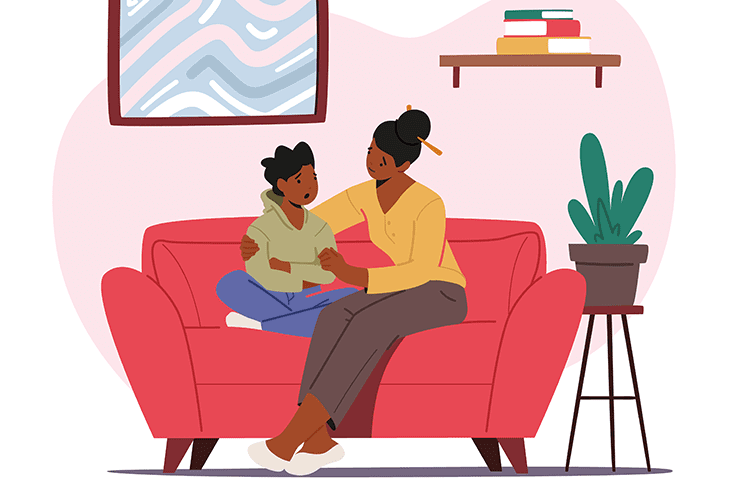
How I Talk About Mental Health with My Kids
Read More
The Story of an Adolescence, Interrupted
Read More
Recognizing My Daughter’s (and My Own) Anxiety Warning Signs
Read More
Mental Health is Health: Giving Context to Mental Illness
Read More
Unpacking My Panic Attack
Read More
The “Model Minority” Stereotype Prevents AAPI From Seeking Mental Health Care
Read More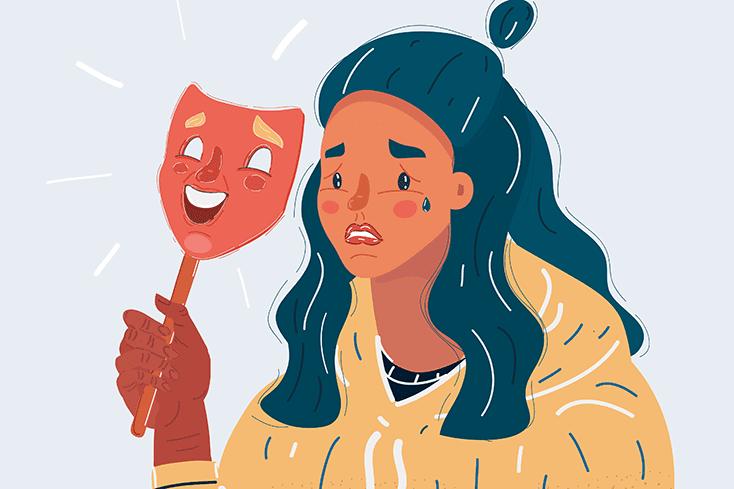
Life with High-Functioning Depression: Functional Does Not Always Mean Healthy
Read More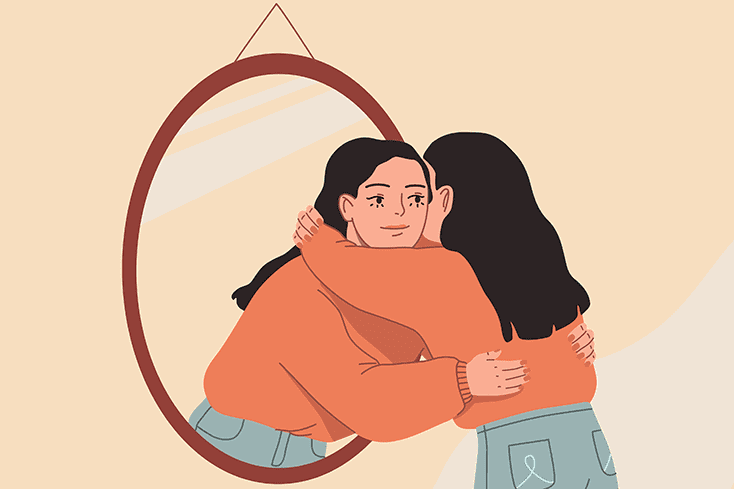
Fighting Internalized Stigma and Changing My Attitude
Read More
The Importance of Community in Indigenous Peoples’ Healing
Read More
How Volunteering Improves Mental Health
Read More
How Finding NAMI Was Pivotal to My Recovery
Read More
How My Husband’s Untreated Symptoms Affected My Anxiety
Read More
Finding Emotional Well-Being as an Indigenous Woman in America
Read More
The Benefit of Support Groups When You Love Someone with Borderline Personality Disorder
Read More
What to Do When You Love Someone with Depression
Read More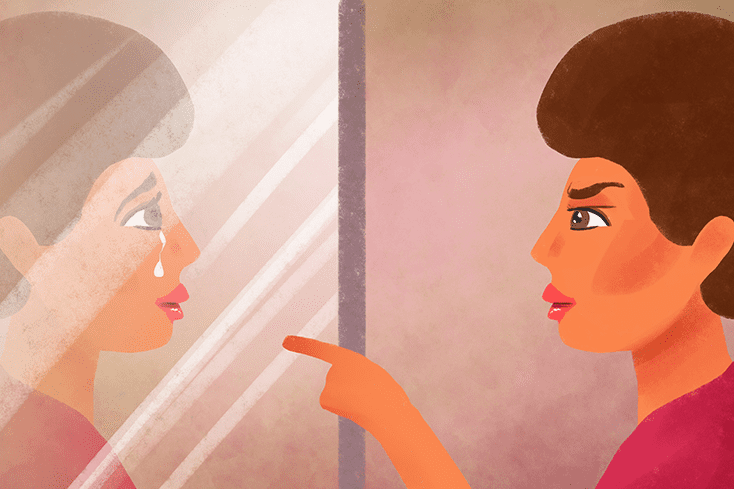
Lies I Told Myself When I Found Out My Daughter Was Struggling
Read More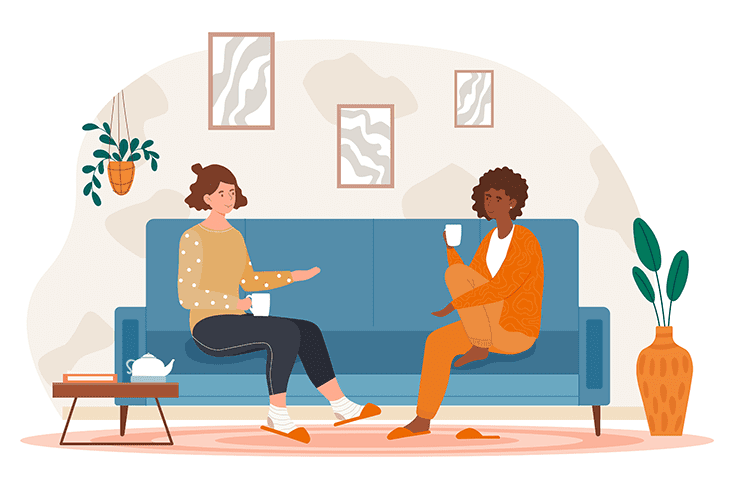
How to Describe Borderline Personality Disorder to Those Who Don’t Understand
Read More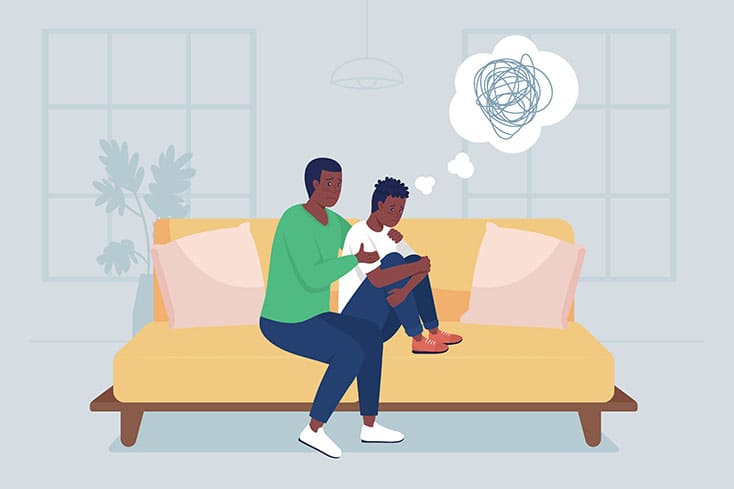
What to Know If a Loved One is At Risk for Suicide
Read More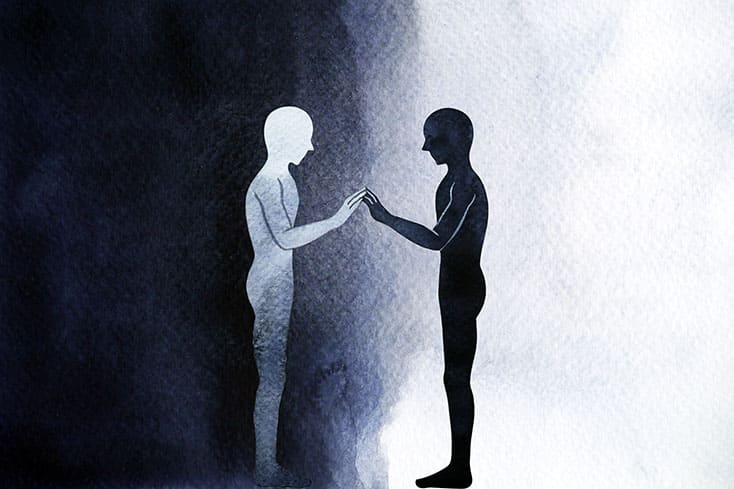
Finding My Way Back from Suicidal Thoughts
Read More
How School-Based Mental Health Providers Can Help Hispanic/Latinx Students
Read MoreNAMI HelpLine is available M-F, 10 a.m. – 10 p.m. ET. Call 800-950-6264,
text “NAMI” to 62640, or email. In a crisis, call or text 988 (24/7).