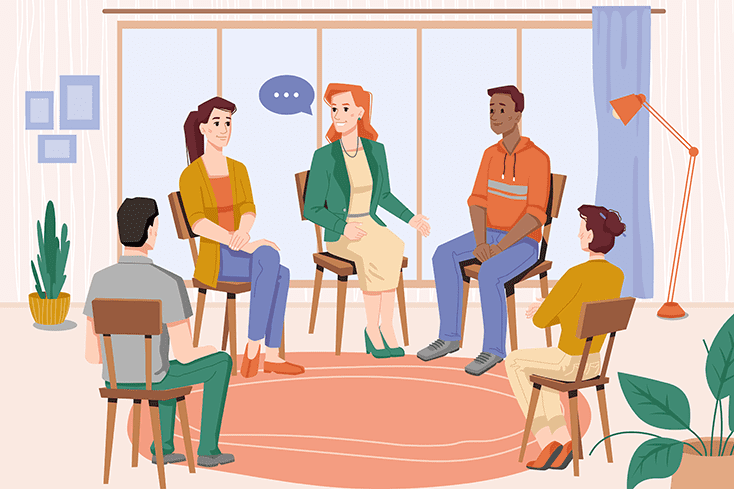
Hearing one another’s stories, weighing different approaches and being reminded of self-care is both heartening and beneficial.

Even well-intentioned loved ones can exacerbate anxiety with a comment that feels unsympathetic or judgmental.

What to Do When You Love Someone with Depression
Read More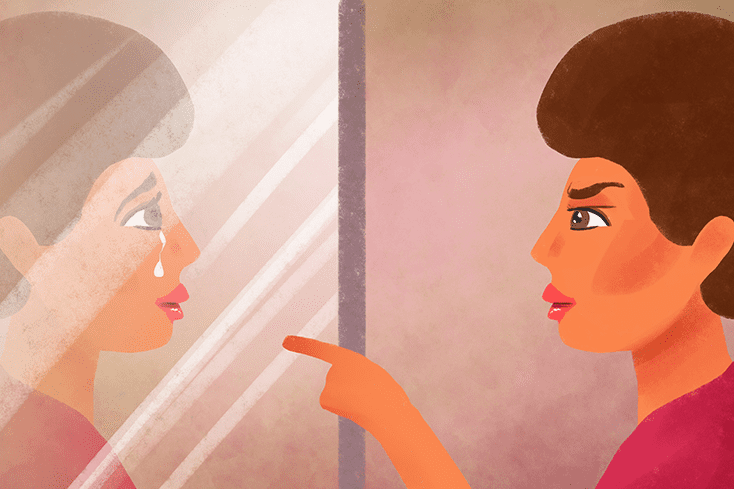
Lies I Told Myself When I Found Out My Daughter Was Struggling
Read More
Medications Are Not the Only Way to Treat Depression
Read More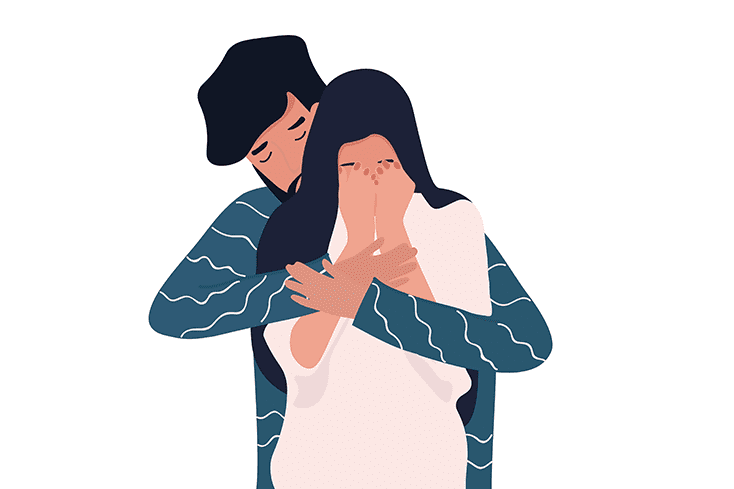
Advice for Mental Illness Caregivers
Read More
How to Talk to Your Teen About Suicide
Read More
How My Daughter’s Experience Shaped My Career in Rural Mental Health Care
Read More
When I Missed the Signs That My Son Has Schizophrenia
Read More
How Advocates Can Push for a Crises Standard of Care
Read More
Caring for Yourself When Your Spouse Has a Mental Illness
Read More
How to Describe Borderline Personality Disorder to Those Who Don’t Understand
Read More
Understanding and Addressing the Ambiguity in Psychiatry
Read More
Discrimination in Academia
Read More
Navigating Financial Barriers to Mental Health Treatment
Read More
Why Labels Can Be Harmful When You Have Mental Illness
Read More
Learning How to Maintain Employment with Bipolar Disorder
Read More
My Son’s Breakup Was About My Mental Illness
Read More
How I Dealt with Mental Health Discrimination in the Church
Read More
My Experience with Diagnostic Overshadowing
Read More
Overcoming Condition-Specific Barriers: Facing Anosognosia
Read More
Overcoming Cultural Barriers on the Road to Recovery
Read MoreNAMI HelpLine is available M-F, 10 a.m. – 10 p.m. ET. Call 800-950-6264,
text “NAMI” to 62640, or email. In a crisis, call or text 988 (24/7).