Refine by:
-
Opioids and Substance Abuse: What Can We Do?
Substance use and abuse is universal and the casualties of drug addiction affect all classes, races and regions of the U.S. We can beat this epidemic with three public health approaches: prevention, screening and treatment. -
Early Psychosis Programs Are Changing Lives—But What if You Can’t Find One?
Until early-psychosis CSC programs are available in every community, NAMI wants young people and their families to know what to do while we push for them to exist everywhere. We can’t afford to wait. -
The Double Standard of Mental Illness
"If a family member walked into your living room, bent over in pain and screaming for help, what would you do? You would help, of course. But with mental health, the picture is so different." -
Building Bonds Behind Bars with NAMI Peer-to-Peer
"I was inside the Iowa Correctional Institution for Women to co-lead a three-day NAMI Peer-to-Peer training. Knowing that I could leave didn’t help; I still felt trapped when I heard all those doors lock behind me." -
NAMI’s Statement Regarding President Trump’s Recent Comments on Mental Health Care
President Trump’s stigmatizing comments about mental illness reinforce harmful stereotypes and create barriers for people trying to access care. Part of NAMI’s mission is to get people into mental health treatment, and we are willing to work with the Trump administration to improve mental health services in the U.S. -
Mental Health Deserves Equal Treatment
On Nov. 30, NAMI released its third nationwide parity report, The Doctor is Out, which found that despite the federal parity law, people lack the same access to mental health providers as they have for other medical providers.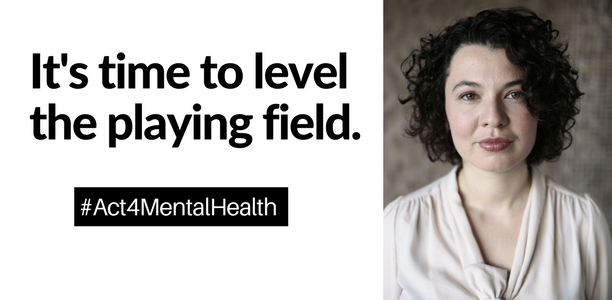
-
NAMI Releases Parity Report Which Finds Insurance Companies Still Discriminate Against Mental Health Care
A report released today by NAMI reveals new information about the ongoing barriers people with mental illness experience when trying to find affordable, quality mental health care. -
Can Stigma Prevent Employment?
People living with mental illness are typically held responsible and blamed for their behavior and symptoms. Simultaneously, they are perceived as unable to make decisions for themselves. This causes people with mental health conditions to be perceived as “unsuitable” for the workforce. -
Outreach and Engagement for Early Psychosis
A first episode of psychosis can be scary and isolating. Treatment can have little appeal and feel highly stigmatizing. Recovery-Oriented Cognitive Therapy is an evidence-based approach that skirts these (and many other) common challenges of working with young adults who have psychosis. -
Navigating the Mental Health System with Dual Diagnosis
"As mental health advocates, we are passionate about increasing access to resources and services to treat this vulnerable population. People with mental illness, particularly those with dual diagnosis, are in desperate need."