Refine by
237 results found
-
Letter to Members of Congress on Research and Innovation
Letter to Members of Congress expressing support of H. RES. 361, which would name May 7th as National Brain Donation Awareness Day. -
Hope Starts With Us: Asian American and Pacific Islander Mental Health
In honor of AAPI Heritage Month, NAMI CEO Daniel H. Gillison Jr. speaks with NAMI National Board Member and Cambodian American Connie Mom-Chhing about Asian American and Pacific Islander mental health, the trauma of the COVID-19 pandemic lockdowns and rising hate crimes against the AAPI community.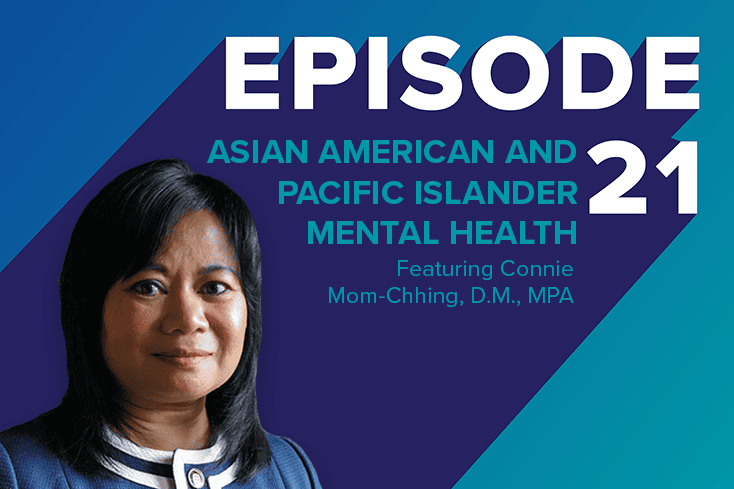
-
Hope Starts With Us: More Than Enough
In this episode of NAMI’s podcast, NAMI CEO Daniel H. Gillison Jr. speaks with NAMI Ambassador Mayan Lopez about NAMI’s theme for Mental Health Awareness Month, “More Than Enough,” and how she is using her new show “Lopez vs. Lopez” to combat stigma and have important conversations about mental health in Latinx communities and across generations. Tune in to hear important insights and anecdotes from Mayan’s own journey with mental health, combatting imposter syndrome and learning to embrace the truth that she is more than enough just as she is.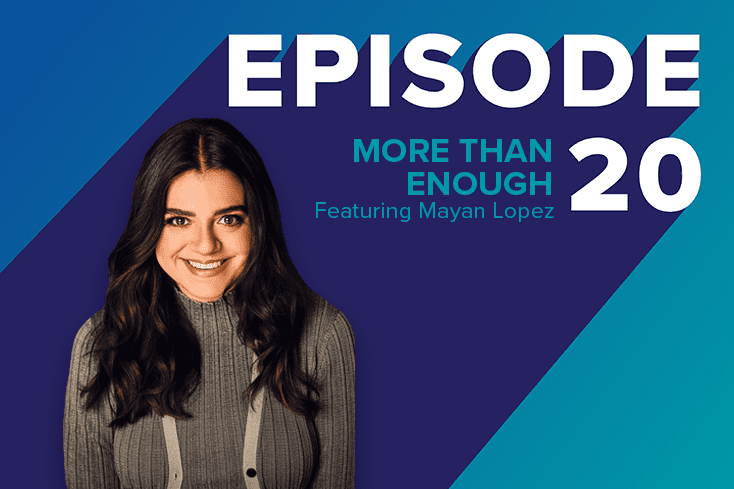
-
Racism as a Risk Factor for Psychosis
The social determinants of health framework is commonly used to conceptualize the cultural and structural factors affecting mental health. A new review applies this framework specifically to psychosis-related health outcomes in communities of color, demonstrating that structural factors such as racial discrimination, food insecurity, and police violence are significant risk factors for psychosis within these communities. These findings inform a more nuanced understanding of the increased rates of psychosis and disparities in mental health treatment of Black and Latinx populations across the US – a critical step to developing policies and practice to address these issues. To learn more, read the article in Annual Review of Clinical Psychology. -
Regulatory Comment to SAMHSA on Research and Innovation and Mental Health Funding
NAMI’s comments on SAMHSA’s 2023–2026 Draft Strategic Plan, offering strong support for the agency’s five priority areas and recommendations on ways to further strengthen the Strategic Plan. -
Providers and Public Believe Mental Health Workforce Shortage Will Have Negative Impact
The mental health workforce is already experiencing a shortage, and by 2025, estimates suggest the U.S. will have 31,000 fewer practitioners than necessary to meet demand. A recent survey of 750 behavioral health workers and 2,000 U.S. adults conducted by the National Council for Mental Wellbeing found both groups are concerned that the shortage will negatively impact society. More than three quarters (76%) of behavioral health workers worry specifically about the potential loss of life due to workforce shortages. The report advocates for public policy changes to address provider concerns – such as increased caseload and burnout – to improve recruitment and retention of this critical workforce. To learn more, see the report from the National Council for Mental Wellbeing. -
Hope Starts With Us: Stress, Anxiety & Coping
In this episode of NAMI’s podcast, NAMI CEO Daniel H. Gillison Jr. speaks with author, clinical psychologist and leading anxiety researcher Dr. Tracy Dennis-Tiwary about how we can cope with stress and anxiety during Stress Awareness Month and beyond. Tune in to hear about the role technology can play with stress and anxiety, how we can harness difficult emotions for good, and how we can cope through healthy practices like mindfulness and meditation.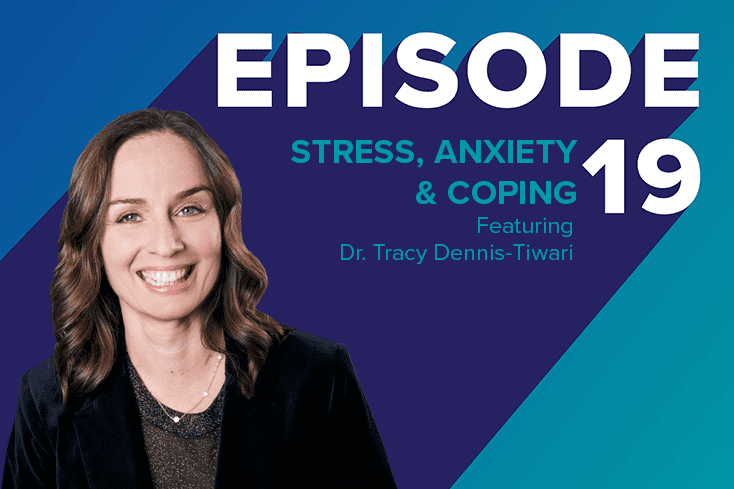
-
Letter to Congressional Committee Leadership on Research and Innovation & Criminal Justice
Letter to House and Senate Appropriations Committee leadership requesting $35 million for the U.S. Centers for Disease Control and Prevention (CDC), $25 million for the National Institutes of Health and $1 million for the National Institute of Justice to conduct public health research into firearm morbidity and mortality prevention. -
Interpersonal Therapy for Depression During Pregnancy
Providing brief and recurrent interpersonal therapy may be an effective strategy in reducing depressive symptoms during pregnancy. A randomized clinical trial of 234 pregnant adults with elevated depression symptoms treated patients with either enhanced usual care (EUC) or MomCare. EUC consists of maternity support services with optional mental health counseling while MomCare is a culturally relevant intervention of weekly, interpersonal therapy sessions with psychoeducation. Overall, participants in the MomCare group showed a greater reduction in depressive scores compared to participants receiving EUC. Future research will focus on whether children born to individuals undergoing the MomCare intervention experience a reduction in risk for their own mental health concerns. To learn more, see the study in JAMA Psychiatry. -
Initial Research on TikTok’s Mental Health Impacts
Current research suggests social media overall may have positive and negative impacts on mental health. A novel study interviewed 16 participants about their experience interacting with mental health content on TikTok to learn about the platform’s specific impacts. The most commonly reported benefits were a sense of self-discovery and social support through a virtual community. While users noted that mental health information was easily accessible, they worried about its credibility. Researchers also warn that the algorithm-driven platform may continuously serve users unwanted or harmful content. Further research is needed to better understand how TikTok affects mental health, including how to maintain its benefits while mitigating drawbacks. To learn more, see the study here.