Refine by
303 results found
-
SAMHSA Releases NSDUH LGB Behavioral Health 2021-22 Report
The most recent update of results from SAMHSA’s 2021-2022 National Surveys on Drug Use and Health (NSDUH) highlights mental health disparities faced by sexual minority adults, particularly bisexual females. More than half of all bisexual females had any mental illness (AMI) in the past year (53.9%), compared to 38.7% of lesbian and 25.4% of straight females. 43.3% of bisexual males experienced AMI in the past year, compared to 37.5% of gay and 18.1% of straight males. About 1 in 5 (19.5%) bisexual females and 14.4% of bisexual males experienced serious mental illness in the past year. Future surveys will ask respondents about their sex assigned at birth, gender identity, and sexual identity regardless of age in hopes of better capturing the experiences of LGBTQI+ individuals. To learn more, view the report from SAMHSA. -
Lived Experience-Led Research to Address Early Death in People with Serious Mental Illness
Compared to the general population, people diagnosed with serious mental illness (SMI) face a shorter life expectancy by approximately 10 to 25 years. In May, a virtual roundtable convened 40 individuals – many with firsthand or caregiving lived experience – to address this disparity. Participants drafted an eight-point ranked recommendation to increase the lifespan of people with SMI including, but not limited to, understanding the impacts of trauma, furthering the role of support systems, redefining clinical education, and examining outcomes meaningful to those with SMI. The effort represents an important shift toward highlighting lived experience in identifying research priorities. To learn more, read the article in JAMA. -
Study Reviews Suicide Intervention for Veterans
Caring Letters is a suicide prevention intervention in which individuals receive letters of care and support with the goal of facilitating connection and lowering suicide risk. The Department of Veterans Affairs implemented a Caring Letters program in 2020 for all Veterans who contact the Veterans Crisis Line. A recent study adds to the evidence that the intervention is effective for this population. Researchers interviewed 23 Veterans who received nine letters over one year that included messages of support and mental health resources. Most participants reported that the letters had a positive impact, with some indicating they were more likely to engage with resources. However, they also offered areas for improvement. To learn more, see the study in Psychiatric Services. -
Letter to Members of Congress on Research and Innovation
Letter to Members of Congress expressing support of H. RES. 361, which would name May 7th as National Brain Donation Awareness Day. -
Hope Starts With Us: More Than Enough
In this episode of NAMI’s podcast, NAMI CEO Daniel H. Gillison Jr. speaks with NAMI Ambassador Mayan Lopez about NAMI’s theme for Mental Health Awareness Month, “More Than Enough,” and how she is using her new show “Lopez vs. Lopez” to combat stigma and have important conversations about mental health in Latinx communities and across generations. Tune in to hear important insights and anecdotes from Mayan’s own journey with mental health, combatting imposter syndrome and learning to embrace the truth that she is more than enough just as she is.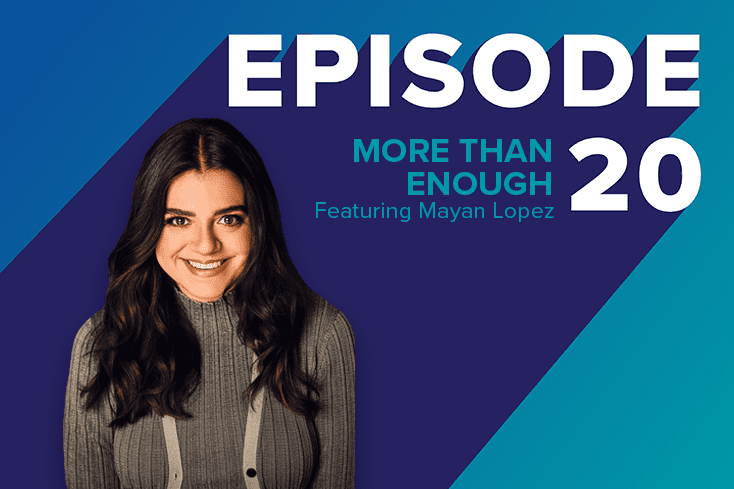
-
Reminding My Younger Self That I’m “More Than Enough”
When I think about the pain my 10-year-old self was hiding, I wish I could tell her that she was more than enough, just as she was. -
Racism as a Risk Factor for Psychosis
The social determinants of health framework is commonly used to conceptualize the cultural and structural factors affecting mental health. A new review applies this framework specifically to psychosis-related health outcomes in communities of color, demonstrating that structural factors such as racial discrimination, food insecurity, and police violence are significant risk factors for psychosis within these communities. These findings inform a more nuanced understanding of the increased rates of psychosis and disparities in mental health treatment of Black and Latinx populations across the US – a critical step to developing policies and practice to address these issues. To learn more, read the article in Annual Review of Clinical Psychology. -
Regulatory Comment to SAMHSA on Research and Innovation and Mental Health Funding
NAMI’s comments on SAMHSA’s 2023–2026 Draft Strategic Plan, offering strong support for the agency’s five priority areas and recommendations on ways to further strengthen the Strategic Plan. -
Providers and Public Believe Mental Health Workforce Shortage Will Have Negative Impact
The mental health workforce is already experiencing a shortage, and by 2025, estimates suggest the U.S. will have 31,000 fewer practitioners than necessary to meet demand. A recent survey of 750 behavioral health workers and 2,000 U.S. adults conducted by the National Council for Mental Wellbeing found both groups are concerned that the shortage will negatively impact society. More than three quarters (76%) of behavioral health workers worry specifically about the potential loss of life due to workforce shortages. The report advocates for public policy changes to address provider concerns – such as increased caseload and burnout – to improve recruitment and retention of this critical workforce. To learn more, see the report from the National Council for Mental Wellbeing. -
Letter to Congressional Committee Leadership on Research and Innovation & Criminal Justice
Letter to House and Senate Appropriations Committee leadership requesting $35 million for the U.S. Centers for Disease Control and Prevention (CDC), $25 million for the National Institutes of Health and $1 million for the National Institute of Justice to conduct public health research into firearm morbidity and mortality prevention.