Refine by
237 results found
-
Hope Starts With Us: Vicarious Racism & Trauma
In this episode of NAMI’s podcast, NAMI CEO Daniel H. Gillison Jr. speaks with founder and CEO of Hurdle Health Kevin Dedner about how people of color are affected by seeing hate crimes, police brutality and other acts of racism in the news, online and in the media. Tune in to learn more about vicarious trauma, advice for coping and supporting loved ones, and proposed policy ideas for systemic solutions.
-
CDC Releases Report on Youth Mental Health from 2011-2021
In February, the CDC released a trends report analyzing a results from the Youth Risk Behavior Survey from 2011-2021. Youth mental health has worsened in the past decade, with 42% of high school students reporting feeling sad or hopeless in 2021 – compared to 28% of students in 2011. Additionally, about 1 in 5 students reported seriously considering suicide and 1 in 10 attempted suicide at least once in the past year. The report further highlights the experiences of adolescent girls characterized by higher rates of reported sadness or hopelessness (57%), attempted suicide (13%), and sexual violence (18%) compared to their male peers. To learn more, see the report from the CDC. -
Study Finds Link Between Air Pollution and Late-Life Depression
Research has shown that social determinants of health such as environmental quality influence a person’s health outcomes. A longitudinal, cohort study of 8.9 million Medicare recipients sought to understand the association between long-term exposure to common air pollutants and a diagnosis of depression in older adults (aged 64 and older). When accounting for other environmental factors, exposure to fine particulate matter, nitrogen dioxide, and ozone was associated with an increased risk of depression – with the risk increasing the longer the exposure. To learn more, see the study in JAMA Network Open. -
Hope Starts With Us: Super Bowl of Mental Health – Athlete Well-Being
Just ahead of Super Bowl Sunday, NAMI CEO Daniel H. Gillison Jr. speaks with former NFL players Marcus Smith II, Soul Cole and Zach Moore about their personal journeys with sports and mental health, how the incident with Damar Hamlin has affected the NFL community, and how everyone can play a role in supporting young athletes’ well-being. In honor of Black History Month, they also discuss the further stigmas faced around Black male mental health both on and off the field.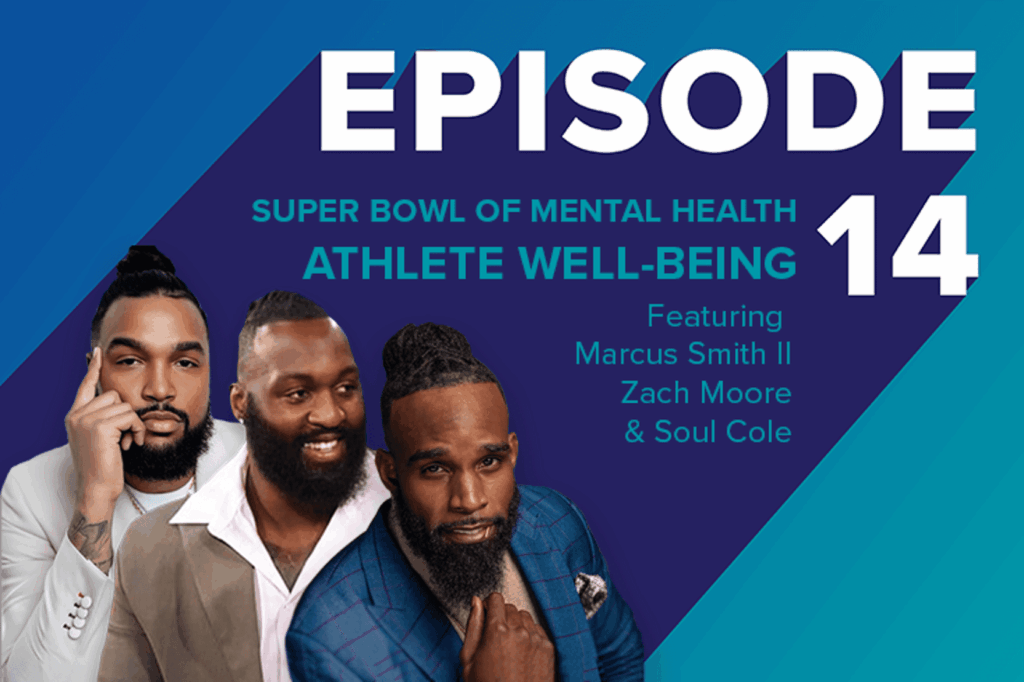
-
Hope Starts With Us: Workplace Mental Health
In this episode of NAMI’s podcast, NAMI CEO Daniel H. Gillison Jr. speaks with NAMI’s Chief Innovation Officer Darcy Gruttadaro, J.D., about presenteeism, psychological safety and how employees and employers alike — in every workplace — can benefit from prioritizing mental health. -
Critical Things to Know About Emotions for Mental Health and Healing
Emotions can't necessarily be stopped or prevented, but we do have control over how we respond to them. -
Regulatory Comment to SAMHSA on Research and Innovation Treatment & Crisis Services
Regulatory comments to SAMHSA Assistant Secretary Delphin-Rittmon, in response to the Revised Draft of the Updated Certification Criteria for the Certified Community Behavioral Health Clinics (CCBHC). -
Poll Finds Anti-LGBTQ Policies Negatively Affect LGBTQ Youth Mental Health
A national poll of more than 700 LGBTQ youth ages 13-24 found that recent anti-LGBTQ policies and debates cause anger, sadness, stress and fear. Overall, seven in ten LGBTQ youth reported that debates about state laws restricting LGBTQ youth rights have negatively impacted their mental health, with trans and non-binary youth most likely to indicate a negative impact (86%) of all reported groups. Additionally, youth reported experiencing online harassment, problems with family and friends, and not feeling safe seeking medical care as a result of anti-LGBTQ policies and debates. Advocating for laws protecting the rights of LGBTQ youth can help prevent negative mental health impacts. To learn more, see the report from The Trevor Project. -
Study Finds Racial Disparities in Follow-Up Psychiatric Care
Continuing outpatient mental health services after a psychiatric hospitalization is critical to prevent readmissions or involvement with the criminal justice system. However, a retroactive analysis of Medicaid claims data for approximately 18,000 patients who were hospitalized in psychiatric units found racial disparities in receipt of follow-up care. While 60% of patients overall attended outpatient mental health services within 30 days of discharge, Black (55%) and Native American/Alaska Native (56%) patients were significantly less likely than white (64%) counterparts to receive follow-up care. Community factors including county poverty levels and urbanicity were found to have the most significant impact on variation in follow-up care. To learn more, see the article in Psychiatric Services. -
Hope Starts With Us: Setting 2023 Intentions
For NAMI’s first podcast episode of 2023, NAMI CEO Daniel H. Gillison Jr. speaks with world-renowned motivational speaker and former Ohio State Representative Les Brown about how listeners can set mental health intentions for the new year by pursuing healthy relationships, speaking positive affirmations into their life and accessing wellness tools and resources for growth.