Refine by
237 results found
-
SAMHSA Releases 2021 National Survey On Drug Use And Health
This month, SAMHSA released results from the 2021 National Survey on Drug Use and Health (NSDUH), an annual nationwide survey on mental health, substance use, treatment rates, and more. Approximately 1 in 5 U.S. adults (22.8%) experienced mental illness in the past year. A third of young adults ages 18-25 (33.7%) experienced mental illness in the past year – the highest rate of any age group. Although new data collection methods limit the comparability of the 2021 NSDUH data to previous years, the data show just how common experiences of mental health conditions have become, particularly among young people. To learn more, see the 2021 National Survey on Drug Use and Health. -
Hope Starts With Us: Grief During the Holidays
In this episode of NAMI’s podcast, NAMI CEO Daniel H. Gillison Jr. speaks with Music Mogul, Entrepreneur, Philanthropist, and NAMI Ambassador Master P about the recent loss of his daughter to substance use, and how he plans to cope with his first year without her during the holidays. Together, they talk about grief, faith, healing in the Black community and turning pain into purpose.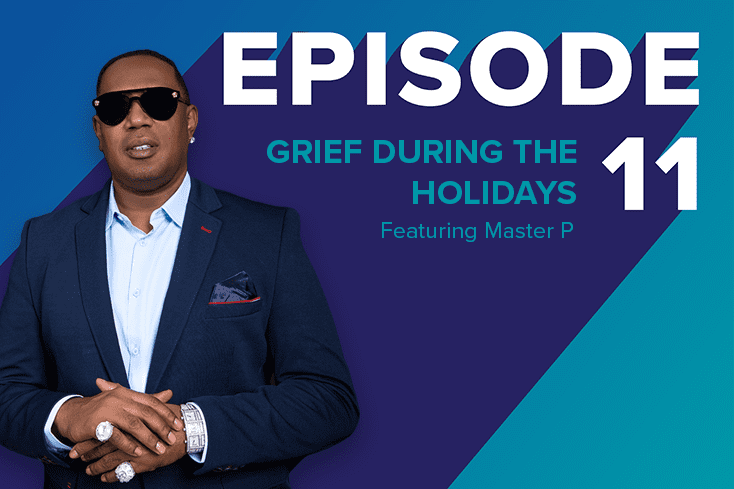
-
Psychosis Outside the Box: Personal Narratives of Psychosis
Much of the available information about psychosis comes from a medical perspective, which can make those experiencing psychosis feel misunderstood or invalidated by the mental health care system. Two researchers, both diagnosed with schizophrenia, began “Psychosis Outside the Box” to provide an alternative. “Psychosis Outside the Box” is an ongoing project that compiles first-person accounts of psychosis in an online repository. The researchers hope the stories can be shared with other researchers and clinicians to better identify and serve individuals experiencing psychosis, particularly during the early stages when engagement is critical. To learn more, see the article in Psychiatric Services. -
Hope Starts With Us: Why I Give to NAMI
In a special Giving Tuesday episode of NAMI’s podcast, NAMI CEO Daniel H. Gillison Jr. speaks with Dr. Sudhanva Rajagopal, a long-time supporter of NAMI, about why he gives to NAMI and how others can get involved with the organization during the end of the year season. Tune in to hear about Dr. Rajagopal’s story, and how his relationship with NAMI over the years is helping him make an impact in his community.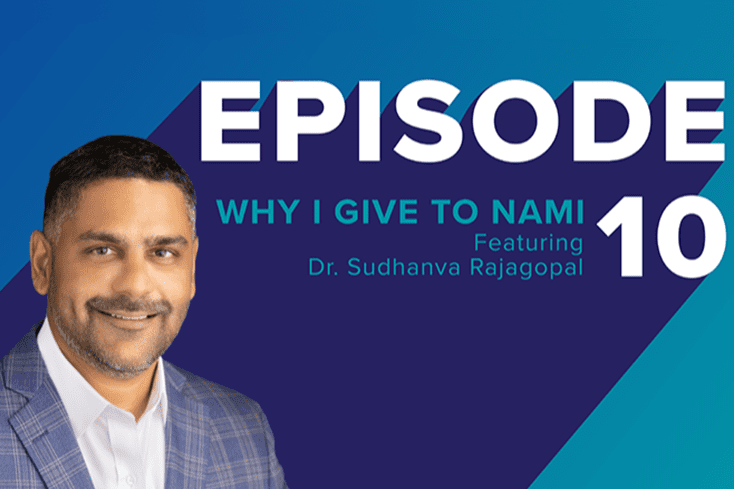
-
NAMI Provider Education Program Helps in Improving Future Healthcare Professionals’ Competency
NAMI Provider is a no-cost training program designed to help mental health professionals understand the lived experience of mental illness and promote a collaborative model of care. To assess the effectiveness of different delivery methods, 325 medical students were assigned to participate in either a traditional, community-based program (Cohort 1) or an online, active learning program (Cohort 2). Both cohorts showed reduced anxiety interacting with patients with mental illness, decreased stereotyping attitudes, and improved confidence incorporating psychiatry into routine care, with stronger effects among students receiving the online format. The findings highlight the potential benefits of the NAMI Provider program, even when adapted to a virtual learning environment. To learn more, see the article in Medical Education Online. -
Hope Starts With Us: Indigenous Mental Health & Well-Being
In this episode of NAMI’s podcast, NAMI CMO Dr. Ken Duckworth speaks with Dr. Joseph Gone, an enrolled member of the Aaniiih-Gros Ventre tribal Nation of Montana and a professor in the Faculty of Arts and Sciences (Anthropology) and in the Faculty of Medicine (Global Health and Social Medicine) at Harvard University, where he also serves as the Faculty Director of the Harvard University Native American Program. In light of Native American Heritage Month, Dr. Duckworth and Dr. Gone discuss what healing looks like outside of the traditional western perspective, how we can promote Indigenous wellness, and what we can learn about resilience and hope from Native communities.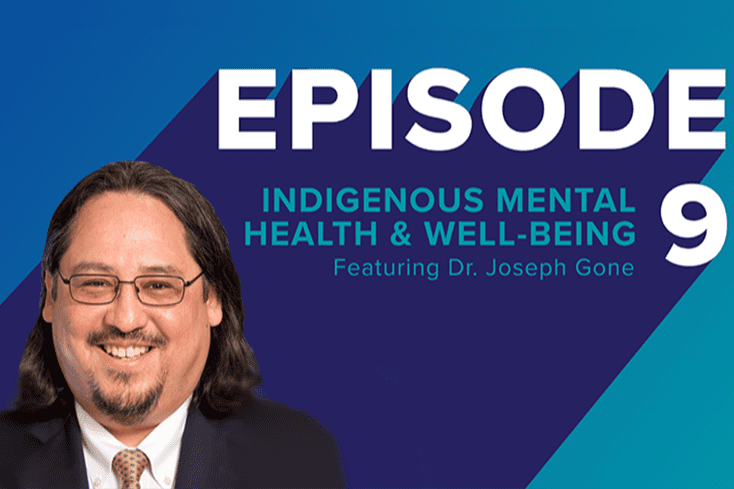
-
APA Releases 2022 National Survey on COVID-19 Practitioner Impact
This month, the American Psychological Association released results from its third annual COVID-19 Practitioner Impact Survey in which it surveyed nearly 63,000 active, licensed psychologists in the U.S. In 2022, 79% of psychologists reported an increase in patients with anxiety since the pandemic began, 66% in patients with depression, and 26% in patients with severe mental illness. Despite the increased need for mental health care, 60% of psychologists report having no openings for new patients.Telehealth has been critical to providing treatment as 31% of respondents report exclusively using telehealth and 58% report using a hybrid approach. To learn more, see the report from the American Psychological Association. -
Study Finds Adverse Social Determinants of Health Associated with Risk for Self-Harm in Youth
Social determinants of health (SDoHs) are the conditions present in a person’s life that impact health outcomes and quality of life. A recent analysis of Medicaid claims data of 245,000 youth with a psychiatric diagnosis examined the relationship between SDoHs and self-harm. Controlling for demographic characteristics and clinical diagnoses, adverse SDoHs such as abuse and neglect, child welfare placement and parent-child conflict were significantly associated with self-harm. Researchers advocate for collecting SDoH data in medical records to help identify and intervene in cases of youth at risk for self-harm and suicide. To learn more, see the article in Psychiatric Services. -
Small-Scale Study Shows Efficacy of Mindfulness Therapy Comparable to Medication in Treatment of Anxiety Disorders
Mindfulness is a popular technique for addressing stress and anxiety. However, less is known about how it compares to first-line medication treatment for diagnosed anxiety disorders. A randomized clinical trial of 208 adults compared the effectiveness of mindfulness-based stress reduction (MBSR) to a flexible dosage of the antidepressant escitalopram in treating anxiety disorders. After an 8-week treatment period, adults in the MBSR group reported similar improvements to the escitalopram group on a severity scale of symptoms. Participants in the MBSR group were also less likely to report an adverse event and therefore less likely to drop out of the study. To learn more, see the article in JAMA Psychiatry. -
Letter to President Biden on Research and Innovation
Letter to President Biden, urging the Administration to convene a summit of stakeholders from across the health care system to identify immediate and long-term solutions on the issue of emergency room boarding.