Refine by
187 results found
-
Discovering New Options: Self-Help Cognitive Behavioral Therapy
If you’ve wanted to try CBT for anxiety or depression but aren't able to see a CBT therapist, you may not need to. Many studies have found that self-directed CBT can be very effective. -
National Wellness Week is Here!
As part of SAMHSA’s National Recovery Month, National Wellness Week is celebrated annually during the third week of September.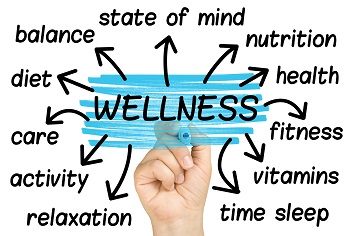
-
New Film Shows the Impact of Community During Recovery
Community can make all the difference when someone living with a mental health condition is on the path to recovery. This idea is the central theme of the new documentary, Hollywood Beauty Salon. -
Enhancing Wellbeing in the Face of Traumatic Media Exposure
The endless cycle of tragic news stories impacts us all and could even be considered traumatic. Here are suggestions on how to cope, now that we face violence and hatred on such a consistent basis. -
Top 10 Fitness Motivation Tips
These tips have helped Christina maintain recovery for over 28 years. Check them out!
-
Tech Café Teaches People to Use Technology to Better Their Mental Health
The NAMI San Diego Tech Café increases mental health literacy and symptom management through the use of technology. Learn how they do it!
-
How Art Can Help Monitor Bipolar Symptoms
Taylor Bourassa assessess art therapy in two contexts to offer support to those living with the syptoms/effects of bipolar disorder most specifically, mania and depression. -
NAMI Honors Dr. Marsha Linehan, The Creator of Dialectical Behavior Therapy
Dr. Marsha M. Linehan, the recipient of NAMI's Scientific Research Award, shares her experience developing Dialectal Behavior Therapy (DBT). -
Helping Students Cope with the Pressures of School
Discover the skills, that if learned, could potentially help prevent suicide among young people. -
The Prevalence of Adverse Childhood Experiences (ACE) in the Lives of Juvenile Offenders
The study of adverse childhood experiences (ACEs) and their negative repercussion on adult health outcomes is well documented. In a population of insured Californians, a dose-response relationship has been demonstrated among 10 ACEs and a host of chronic physical health, mental health, and behavioral outcomes.