Refine by
38 results found
-
An Ode to Schizophrenia
"My mind split, but it seemed to repair itself enough to get by. I learned one thing that proved to be true in the real world: When you struggle with an invisible disease, many won’t believe you."
-
Raising Children with Mental Illness
"We must accept and believe our loved ones to start getting them help. If we don’t, we run the risk of being the reason they don’t get help."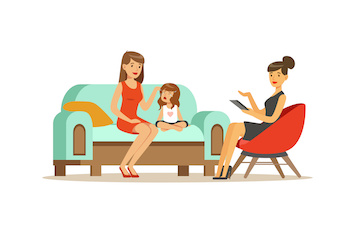
-
The NAMI Man of New Orleans
"Working in peer support helped me feel empowered. Not only could sharing my lived experience be a career, but I could also genuinely help people." -
Spreading Hope Through Peer Support
Being able to connect with a person who has been through a similar experience can help someone achieve their recovery goals. Learn more about this important piece of first episode psychosis programs from the perspective of someone whose been on both sides of peer support. -
My First Voice
"No one, including family and close friends, has ever asked me about the first time I heard a voice. I think it’s a tough topic to talk about. Hearing voices isn’t considered normal. Regardless, I remember." -
A Diagnosis of Mental Illness Need Not End a College Career
Contrary to what many believe, young adults with mental health conditions are capable of completing a college education. Here's how colleges and parents can help ensure success. -
Learning to Change in Order to Heal
"For therapy to work, you have to be open to change. You have to accept that your way of thinking may be wrong and that your beliefs may be what is making you sick… I am proud to say that I changed." -
Caregivers: When to Push and When to Show Extra Compassion
"Marriage is difficult for anyone, but it’s even more challenging when you add in the complications of mental illness. My husband, Andrew, has schizophrenia. We’ve lived together for nearly 15 years and we’ve found success as a married couple, but our journey has been filled with many obstacles." -
Can Stigma Prevent Employment?
People living with mental illness are typically held responsible and blamed for their behavior and symptoms. Simultaneously, they are perceived as unable to make decisions for themselves. This causes people with mental health conditions to be perceived as “unsuitable” for the workforce. -
Navigating the Mental Health System with Dual Diagnosis
"As mental health advocates, we are passionate about increasing access to resources and services to treat this vulnerable population. People with mental illness, particularly those with dual diagnosis, are in desperate need."