Refine by
258 results found
-
Sharing My Mental Health Journey on Stage
"I’ve learned that creatively expressing my emotions, thoughts, worries and fears through art—and sharing that art with others—helps my recovery. And I believe that no matter what you’re going through, the arts might be able to help you cope as well." -
Telehealth: Transforming Child Mental Health Care
Unprecedented need exists for child and adolescent mental health services in today’s communities, however, parents have limited options at their disposal. We need an effective solution, and it might be telebehavioral health. -
Integrated Treatment for Mental Illness and Substance Use
It’s in the interest of clinicians to consider the existence of co-occurring conditions when treating individuals with mental illness. Luckily, effective treatment methods that integrate care for substance use and mental health conditions exist and offer the best chance for recovery. -
Disabled, But Not Alone Anymore
If we come together, despite all the hate, we can spread love and save so many lives. It’s sometimes just as simple as a smile. Be a listening ear, strike up a conversation with someone, volunteer your time and resources—nothing is too small.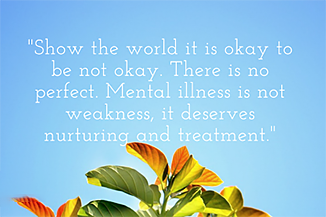
-
Understanding Dual Diagnosis
As intuitive as the term “dual diagnosis” may seem, it actually doesn’t mean having two mental health conditions. Dual diagnosis is a term used when someone experiences a mental illness and a substance use disorder simultaneously. Learn more here. -
Mental Health in the Workplace: The Value of Rest
A period of stillness and rest may be a necessary precursor to a more active mental health recovery. Though, resting is not as easy as it sounds. Here's some advice on how to rest the right way. -
Preventing Mental Health Effects of Divorce on Children
Sometimes, it can be difficult to assess whether a divorce is negatively impacting a child or whether problem behaviors are just an expected part of the growing process. Knowing the signs of struggle can help parents and educators identify whether a child needs additional support. Learn some of those signs here. -
Rules of the Road for Succeeding in College with a Mood Disorder
Young adults with mood disorders who are heading off to college can succeed—all it takes is planning, support, lifestyle care and a little luck. Here are a few practical tips for the journey ahead. -
Helping Children Learn How to Think Positively
With a basic understanding of cognitive behavioral principles, you can teach your child how to process uncomfortable situations at school, at home and on the playground. And not after the fact, but before they even happen. -
Work is Recovery
Programs like Individual Placement and Support can help people with mental illness find and keep meaningful jobs, supporting their mental health recovery. Learn more about these valuable programs here.