Refine by
388 results found
-
Shutting Down Five Misconceptions About Depression
Depression is not a phase, it's not just a bad day, it's not something that can be easily fixed by eating clean or yoga. Depression is a mental illness. -
Overcoming Stigma
Learn what the seven different types of stigma are and how to overcome them. -
Things I’ve Learned from Advocating for Mental Health
Anyone can be an advocate for mental health. Here are a few tips to get started! -
An Ode to Schizophrenia
"My mind split, but it seemed to repair itself enough to get by. I learned one thing that proved to be true in the real world: When you struggle with an invisible disease, many won’t believe you."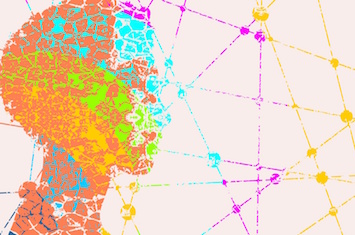
-
Addressing Male Suicide
Men account for the majority of suicides. It's important that we recognize risk factors and start conversations in order to end the rise of male suicide. -
Reflections on Medicine, Shame and Stigma
NAMI's medical director shares his experience with stigma around suicide in his personal life and in the psychiatric community. -
Voices of Lived Experience Can Save Lives
The mental health community knows that stories of lived experience are the most effective tool we have to end discrimination, but evidence shows they are also the best way to encourage others to seek help and prevent suicide. -
NAMI Partners with Publicis Health’s Summer Internship Program
NAMI worked with Publicis Health’s 2018 summer intern class to create a national campaign to destigmatize mental illness. The 80 participating interns had four weeks to complete their projects, which finished with live pitches to executive leadership and key stakeholders from NAMI.
-
Challenging Mental Health Stigma in the Black Community
Many people in the black community don't seek out mental health care due to cultural stigma that says people should "deal with problems on their own." Read about how Hafeez is attempting to break that barrier. -
Changing the Conversation About Suicide in the Black Community
"We need to create a culture in which people in the black community no longer feel afraid to tell someone how they are feeling, and that they need help."