
Refine by
161 results found
-
What Bebe Moore Campbell’s Legacy Means to Me
What started as advocacy for one, turned to advocacy for so many. It’s part of why she continues to be an inspiration to me and so many others today.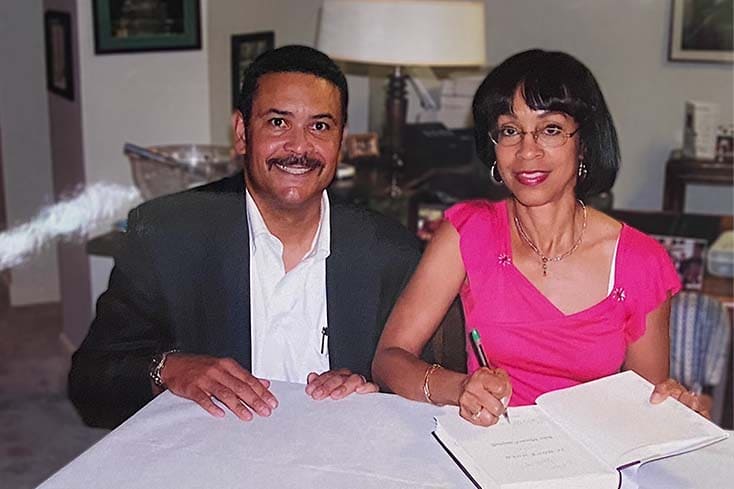
-
Aspects of Culturally Competent Care That We Don’t Talk About (But Need To)
A positive experience in therapy is dependent on a practitioner’s ability to appropriately respond to our unique social, spiritual, economic and political experiences. -
How the Mental Health Community Can Support Black Mental Health
Having cultural competence and empathy, to me, does not mean simply addressing the issue in my practice, but speaking up on a larger scale. -
Addressing the Increased Risk of Postpartum Depression for Black Women
Accessing treatment that includes cultural understanding is critical in improving the health outcomes for Black mothers. -
Finding my Voice in Therapy as a South Asian
I’ve come to see therapy like a compass, the center from which I can chart my course. Each week, we venture forward toward a better self. -
How Lived Experience and Identity Shape Mental Health Counseling
Navigating identity as a professional counselor becomes wildly complex when paired with intersecting racial, ethnic, religious, gender and other identities. -
How School-Based Mental Health Providers Can Help Hispanic/Latinx Students
It is not that parents do not want to engage with school-based mental health professionals, it is more like we are not properly engaging them. -
Register for NAMI Ask the Expert: Promoting Mental Health Equity in Black Churches
NAMI Ask the Expert welcomes Dr. Sidney Hankerson who will explore how expanding access to mental health care and supports through partnerships with faith-based organizations can promote mental health equity and integrate cultural preferences. -
Promoting Mental Health Equity in Black Churches
Dr. Sidney Hankerson discusses how to promote mental health equity and integrate cultural preferences by partnering with faith-based organizations. -
Stereotypes and Seeking Care in a Racialized America
We are more alike than we are different, so why do these stereotypes and assumptions keep getting in the way?