

Refine by
739 results found
-
Police Perspective: The impact of trauma on law enforcement spouses
The spouse of a police officer who responded to the Sandy Hook school shooting struggles with how to mentally support husband—and herself.
-
MediaWatch: Don’t Forget the Children
Did you know that 50 percent of mental illnesses begin by age 14? Children need their parents and teachers to be able to recognize the symptoms. Can you? -
Police Perspective: The Man in the Mirror
A dedicated police officer experiences intense psychological pressures of his job and learns that, as a cop, your strength shouldn't only be physical.
-
Diversity in Motion: Raising Awareness through Dance
NAMI Wisconsin discovered that mental health advocacy is a beat we can all dance to. Their annual flash mob dance during National Minority Mental Health Awareness Month attracts new faces to the NAMI family and communicates the cross-cultural message that talking about mental illness isn’t scary. Check out their tips on staging your own flash mob! -
The Role of Ritual
A ritual represents an opportunity for a community to come together and feel comforted by the familiar celebration of a holiday, a time of year or of someone's life. -
Exercise for Mental Health: 8 Keys to Get and Stay Moving
From acceptance, to support and prosperity, this blog post outlines 8 steps that make taking charge of one's mental health a flourishing experience. -
A Voice at the Table: NAMI and Community Partnerships
A twenty year NAMI member/supporter recounts the impact of NAMI's grassroots foundation and offers and insightful assessment of NAMI's community partnerships to encourage others to seek NAMI for support for mental health. -
Tips to Stay Mentally Healthy While Traveling
Traveling has countless benefits: learning, exploring, trying new things, to name just a few. Here are a few ways to stay mentally healthy while on your trip.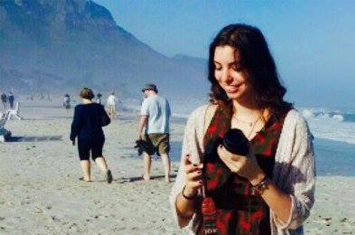
-
NAMI Family-to-Family: A Network of Support
Rebecca Duke recaps her experience with the NAMI Family-to-Family educational program and offers an uplifting perspective on its impact on her life and others. -
How Art Can Help Monitor Bipolar Symptoms
Taylor Bourassa assessess art therapy in two contexts to offer support to those living with the syptoms/effects of bipolar disorder most specifically, mania and depression.