

Refine by
109 results found
-
My First Voice
"No one, including family and close friends, has ever asked me about the first time I heard a voice. I think it’s a tough topic to talk about. Hearing voices isn’t considered normal. Regardless, I remember." -
Substance Use Carries Mental Health Risks—Yes, Even Marijuana
"We know serious mental illness and substance use disorders often co-occur. And I believe there is room for researching the medical potential of marijuana’s components. But pretending that marijuana is a harmless substance is not the way to help our loved ones." -
A Diagnosis of Mental Illness Need Not End a College Career
Contrary to what many believe, young adults with mental health conditions are capable of completing a college education. Here's how colleges and parents can help ensure success. -
When Your Parents Have Mental Illness: Healing Childhood Trauma
“Maybe you’ve spent your life watching your mother or father struggle with anxiety, depression or obsessive-compulsive disorder. So, what can you do if you grew up with parents or siblings experiencing mental illness, or in a family with a history of abuse or neglect?” -
Tuning Out Stigma
Definitely, with a positive attitude, you can discover the hidden treasures in life, and others can discover the beauty inside of you.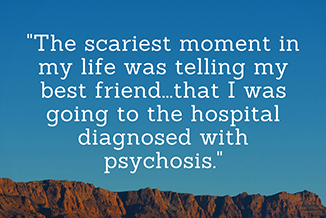
-
Hope is Within Reach
"During my years of volunteer work, I have been constantly reminded that I’m not alone. After struggling on my own and feeling helpless for a long time, I now know that there are so many people experiencing similar struggles." -
Translating Lived Experience into a Compelling Novel
Turtles All the Way Down isn’t a light-hearted, fun, young adult novel. It’s a reflection of an author’s life lived with mental illness. -
Keys to Managing Schizophrenia
"Schizophrenia is not a hopeless situation—people living with schizophrenia can experience recovery and live fulfilling lives. I’m an example of that." -
What It’s Really Like to Be “So OCD”
"'Being so OCD' has become a common, cutesy term for having amazing organizational skills, being neat and clean, particular about order and generally on top of things. And when you think of OCD in those terms, it sounds like a wonderful blessing." -
Outreach and Engagement for Early Psychosis
A first episode of psychosis can be scary and isolating. Treatment can have little appeal and feel highly stigmatizing. Recovery-Oriented Cognitive Therapy is an evidence-based approach that skirts these (and many other) common challenges of working with young adults who have psychosis.