Refine by
79 results found
-
Implementing Trauma-Informed Care in Correctional Treatment and Supervision
This article provides a rationale for trauma-informed care (TIC) in correctional services, and challenges readers to think about offending behavior through the lens of trauma. Based on interdisciplinary research and cross-theoretical literature, TIC can help in our quest to develop relevant and successful programs, practices, and policies, and the best methods for delivering them. Using Substance Abuse and Mental Health Services Administration (SAMHSA)’s core principles of TIC, this article will make suggestions for the implementation of trauma-informed service delivery and practices across correctional settings. The authors translate trauma-informed concepts into practice behaviors through the acronym SHARE (safety, hope, autonomy, respect, empathy), which honors the principles of TIC recommended by SAMHSA and the principles of effective correctional rehabilitation. TIC in corrections may help improve the desired outcomes of successful re-entry and reduced recidivism. -
Raising Children with Mental Illness
"We must accept and believe our loved ones to start getting them help. If we don’t, we run the risk of being the reason they don’t get help."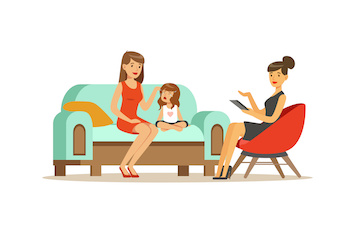
-
Associations of adverse childhood experiences and suicidal behaviors in adulthood in a U.S. nationally representative sample
The current study extends the research linking adverse childhood experiences (ACEs) to suicidal behaviors by testing these associations using a nationally representative sample, assessing for suicide ideation and attempts in adulthood, controlling for established risk factors for suicidality, and measuring a broad array of ACEs. -
Statement about Border Separation from NAMI
NAMI urges an immediate end to the practice of separating families. The future well-being of vulnerable children is at stake. We believe it’s critical to children’s mental health to be with their families and caregivers. -
How I Healed Myself of Shame
"It took me many years to rid myself of the shame that followed me nearly all my life. The important thing is that you just begin to heal your shame, so it doesn’t dictate your life." -
NAMI’s Ask the Expert Webinar: Understanding Self–Harm
Held on International Self-Injury Awareness Day 2018, this webinar provides a unique insight into self-harm for those struggling with self-harm, their family members and medical professionals. -
The prevalence of adverse childhood experiences, nationally, by state, and by race or ethnicity
This brief uses data from the 2016 National Survey of Children’s Health (NSCH) to describe the prevalence of one or more ACEs among children from birth through age 17, as reported by a parent or guardian. -
The Problem with Yelling
Being frequently yelled at as children changes how we think and feel about ourselves even after we become adults and leave home. -
What You Should Know About Toxic Stress
Although toxic stress can be chronic and impactful on adults, it is particularly detrimental for children. Learn more about the effects toxic stress, or trauma, can have on a child's development and life. -
Clay Hunt Act Serves to Prevent Veteran Suicide
One year after it was passed, the Clay Hunt Act is already making a difference for veterans.