
Refine by
137 results found
-
Cultivating Self-Acceptance in The LGBTQ Community
"Making amends where there’s been harm is part of the healing process. The more we can recognize, repent, and repair, the more we can prevent future generations from experiencing not only shame, but trauma."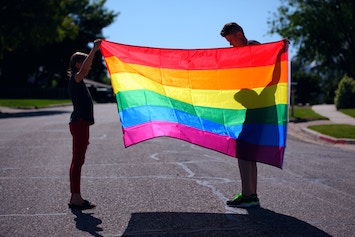
-
Mental Health Challenges in the LGBTQ+ Community
While it is encouraging that more communities are securing equal rights and protections, we still have a long way to go when it comes to LGBTQ+ mental health. -
Experiencing Both Perspectives of EMDR: Provider and Patient
Dr. Brister is a psychiatrist who has used the treatment, Eye Movement Desensitization and Reprocessing (EMDR), as a way to help his patients through trauma. But he is also an individual who has used EMDR as a way to process his own trauma. -
Rural Mental Health Work: One Therapist’s Journey
Approximately 20% of our total population currently lives in rural parts of the U.S. We must address our pervasive workforce issues if we wish to make a dent in the unmet mental health needs in our small communities. -
NAMI’s Ask the Expert Webinar: Cultural Competence in Psychiatry
Join us while we discuss how mental health and its treatment varies across cultures and communities. We'll also provide insight into how psychiatry is viewed and accepted across different cultures. -
Reflections on Medicine, Shame and Stigma
NAMI's medical director shares his experience with stigma around suicide in his personal life and in the psychiatric community. -
NAMI’s Ask the Expert Webinar: Improving Mental Health Care Through Inclusion and Compassion
We were thrilled to hold this NAMI's Ask the Expert Webinar as a live broadcast from the 2018 NAMI National Convention in New Orleans. In this replay, you’ll hear (and watch!) presentations from our expert panel as they share their unique role in ensuring that people seeking mental health treatment are treated with respect, dignity and equality. -
College Students of Color: Overcoming Mental Health Challenges
Feelings of marginalization and isolation can be harmful to mental health for students of color. Learn more about how colleges and universities can create environments in which young people of color are valued. -
Getting Involved with Minority Mental Health
Culture, race, ethnicity and sexual identity can make access to mental health treatment much more difficult. We can all help ignite change against these disparities this Minority Mental Health Awareness Month. -
Opioids and Substance Abuse: What Can We Do?
Substance use and abuse is universal and the casualties of drug addiction affect all classes, races and regions of the U.S. We can beat this epidemic with three public health approaches: prevention, screening and treatment.