Refine by
161 results found
-
The Difference Between a Disorder and a Feeling
It’s easy to assume that because we all experience anxiety, we have an idea of what living with an anxiety condition might feel like. But that’s simply not the case. -
The Messy Truth About Obsessive-Compulsive Disorder
Why do most people believe the myth that OCD is just about a hyper-organized desk or color-coordinated closet? -
NAMI Raises Awareness by Dispelling Harmful Myths About Mental Illness
In honor of Mental Illness Awareness Week on October 6-12, 2019, the National Alliance on Mental Illness and its affiliates across the country are raising awareness and dispelling some of the common myths about mental illness. -
The Role of Mental Health Education
In order to recieve the best possible treatment, those with mental illness and their family members need access to an in-depth mental health education. -
Cultivating Self-Acceptance in The LGBTQ Community
"Making amends where there’s been harm is part of the healing process. The more we can recognize, repent, and repair, the more we can prevent future generations from experiencing not only shame, but trauma."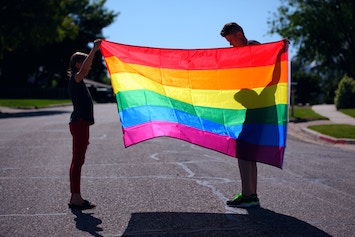
-
Mental Health Challenges in the LGBTQ+ Community
While it is encouraging that more communities are securing equal rights and protections, we still have a long way to go when it comes to LGBTQ+ mental health. -
Improving Our Understanding and Education About Psychosis
In our communitites, we need to make an effort through education and trainings to learn more about how to help someone who is experiencing psychosis. -
NAMI Joins Seven Leading Organizations to Launch Mental Health for US Coalition
NAMI, along with other prominent mental health and addiction organizations, launched Mental Health for US: a nonpartisan educational coalition aimed at elevating mental health issues on the 2020 campaign trail. -
Are the Kids Really Learning About Mental Health?
Now more than ever, children are learning about mental health in school. However, mental health issues among young people is still on the rise. We need to ensure that our children are not just learning how to seek help, but are actually acting on it. -
Training the Community to Recognize and Respond to Crises
If you’re a first responder, teacher or local community service provider, becoming trained in suicide prevention can make a big impact on your community. It could even save someone's life.