Refine by
13 results found
-
My Daughter’s First Episode of Psychosis
"Our family is facing a monster we’ve never seen. Getting your child the right treatment, diagnosis and medication can make all the difference." -
Experiencing a Psychotic Break Doesn’t Mean You’re Broken
Too often, people experiencing psychosis are told that their life will never be the same. This narrative is not only exaggerated, but it’s also inaccurate.
-
Responding to Bipolar Psychotic Symptoms
As you learn how to manage your own illness, you might start noticing your symptoms. It can be scary to realize that you are headed for a psychotic episode, but it is possible to do things that lessen the severity of, or even avert, psychosis. -
Postpartum Psychosis: Something I Didn’t Learn About in Birthing Class
"How does a 30-year-old mom of two, with no previous history of mental illness get admitted to the psych ward? I’ll tell you how: with the very unexpected onset of postpartum psychosis." -
NAMI’s Ask the Expert Webinar: Supporting a Loved One with Psychosis
This webinar explains how Cognitive Behavioral Therapy for psychosis (CBTp) can effectively support loved ones experiencing psychosis. CBTp is an evidence-based intervention recommended as a complementary treatment for psychosis. -
An Ode to Schizophrenia
"My mind split, but it seemed to repair itself enough to get by. I learned one thing that proved to be true in the real world: When you struggle with an invisible disease, many won’t believe you."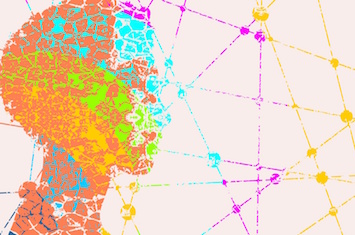
-
Spreading Hope Through Peer Support
Being able to connect with a person who has been through a similar experience can help someone achieve their recovery goals. Learn more about this important piece of first episode psychosis programs from the perspective of someone whose been on both sides of peer support. -
My First Voice
"No one, including family and close friends, has ever asked me about the first time I heard a voice. I think it’s a tough topic to talk about. Hearing voices isn’t considered normal. Regardless, I remember." -
A Diagnosis of Mental Illness Need Not End a College Career
Contrary to what many believe, young adults with mental health conditions are capable of completing a college education. Here's how colleges and parents can help ensure success.