

Refine by
152 results found
-
Compassion Fatigue and Burnout
The demands of teaching can be draining. It’s important to take care of yourself, too! This new resource for the 2025 school year shares signs of compassion fatigue and burnout, tips for self-care, and affirmations. -
Three Keys for a Successful Back to School Transition
As teachers are preparing their classrooms, it’s important to understand how being trauma-informed can help create a safe and supportive environment for all students. -
Mindfulness Activities
Developing a state of being aware and present in a moment is called mindfulness. Teaching students how to center themselves and reengage with the world is a crucial skill. Use this resource for strategies to teach students in various age groups about mindfulness. -
Five Questions for School Staff to Ask When Preparing for an Active Shooter Drill
When preparing for an active shooter drill, it’s important to use trauma-informed approaches. Use this resource to help your students understand what’s happening and how to “debrief” students after the drill. -
The Three C’s Educators
This resource is meant to help educators and their students feel comfortable talking about mental health and wellness. Using these three C’s, educators can connect with students empathetically.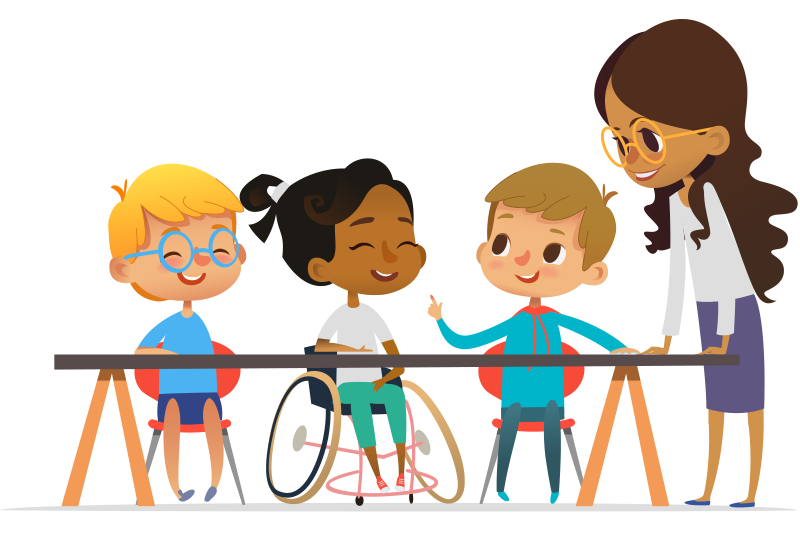
-
Mental Wellness Moments for Educators
This resource has daily suggestions for how to bring mental health wellness into the classroom. From Monday Moods to Fridays for Self-Care, these suggestions can help students build healthy habits for their mental well-being.
-
Classroom Mental Health Contract
Breaking stigma surrounding mental health can happen in the classroom. With this resource, educators can help their students talk openly and frequently about mental health and well-being.
-
How Improving My Mental Health Helped Me Reconnect with My Culture
I am dedicated to spending the rest of my life inspiring others to use mental health as a tool to learn more about their cultural identity. -
Addressing Mental Health Barriers in the AAPI Community
By working to reduce stigma and provide culturally sensitive care, we can support the mental health of AAPI communities.