Refine by
17 results found
-
Navigating Secondary PTSD: Surviving the War That Came Home
We weren’t prepared for the war he brought home. -
Veteran Mental Health: Not All Wounds are Visible
As someone who grew up in a military family the conversation about veterans’ mental health is personal and critically important to me.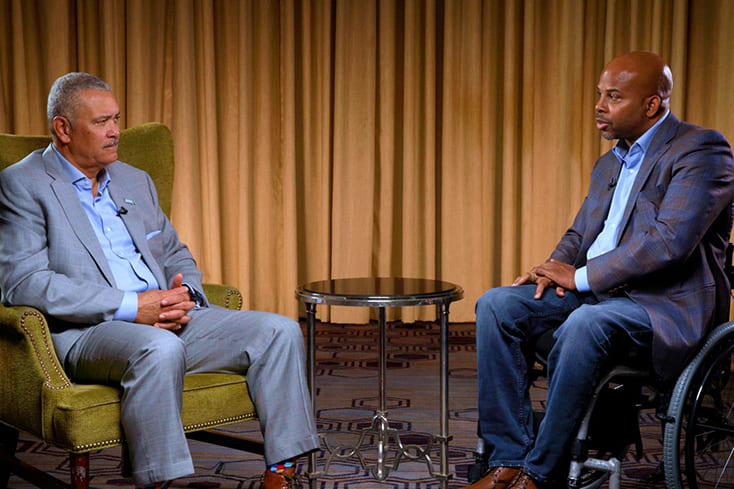
-
Veterans’ Mental Health Myths That Should Be Dispelled
By setting the record straight, we can change the experience of veterans and battling invisible wounds. -
Navigating My Relationship with Religion While Living with Mental Illness
No two faith experiences are identical. But all experiences are valid and worthy of consideration in mental health treatment. -
How Biking Helped My PTSD
"Sometimes I’d feel like I did not have the energy to carry on with life. Biking helped me feel alive again." -
Congress Passes New Bill to Improve Veterans’ Mental Health Care
On Wednesday, September 23, 2020, NAMI celebrated the U.S. House of Representatives’ unanimous passage of a landmark bipartisan bill, S. 785, The Commander John Scott Hannon Veterans Mental Health Care Improvement Act. -
NAMI Applauds Victory for Veterans’ Mental Health
Today, the U.S. House of Representatives unanimously passed a landmark bipartisan bill, S. 785, The Commander John Scott Hannon Veterans Mental Health Care Improvement Act, which previously passed the Senate. -
U.S. Senate Passes the Commander John Scott Hannon Veterans Mental Health Improvement Act
On August 5th, the U.S. Senate unanimously passed the Commander John Scott Hannon Veterans Mental Health Care Improvement Act, S. 785, bipartisan legislation focused on efforts to reduce veteran suicide and improve mental health outcomes through improved access to care, better diagnostic tools and increased oversight of VA programs. -
Why Black Churches Need to Do Better with Mental Health Issues
"It is refreshing to hear a faith leader admit that sometimes prayer just isn’t enough." -
Study Shows NAMI Homefront Helps Veteran Family Members
NAMI Homefront is an educational program that addresses the unique needs of those closest to military service members and veterans. A new study found that the program improves coping skills and knowledge of mental illness, among other major benefits.