Refine by
16 results found
-
Physical and Mental Illness in Children: Both Need to Be Taken Seriously
When it comes to mental illness, families often receive less support, compassion and understanding than those facing physical illness. -
How Fandom Conventions Allow Me to Be My True Self
Pretending to be neurotypical, or “normal,” is a common behavior among people living with mental illness. -
The Widely Neglected Healing Power of Music
Music is a critical tool to understand ourselves and improve our mental health. -
Addressing Youth Mental Health in NAMI’s Next Book
In recent years, youth mental health has emerged as a topic of urgent importance. -
NAMI/Ipsos Poll: Teens Struggling with Their Mental Health, but Parents and Schools Can Help
A new National Alliance on Mental Illness (NAMI) Teen Poll, conducted by Ipsos, found that teens who are struggling with their mental health are looking to their schools and parents for information and support. -
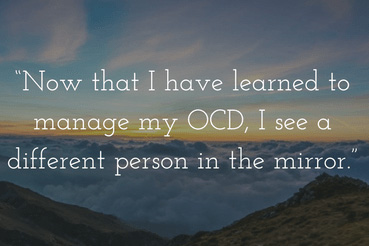
The Messy Truth About Obsessive-Compulsive Disorder
Why do most people believe the myth that OCD is just about a hyper-organized desk or color-coordinated closet? -
Preventing a Generation from Struggling in Silence
If we fail to teach the younger generations about mental health, they may struggle alone rather than talk to people who can help them. They may feel ashamed for what they experience rather than know it’s not their fault. They may even take their lives. -
Mental Health Conditions are Legitimate Health Conditions
It's widely accepted that if you have a health problem, you would see a medical professional who specializes in that problem’s proper treatment. But if you're faced with a mental health problem, is your first instinct to see a mental health professional? Society has taught many of us to answer no. -
When Your Parents Have Mental Illness: Healing Childhood Trauma
“Maybe you’ve spent your life watching your mother or father struggle with anxiety, depression or obsessive-compulsive disorder. So, what can you do if you grew up with parents or siblings experiencing mental illness, or in a family with a history of abuse or neglect?” -
The Dark Days Which Enlightened my Life
Deep inside I knew they wanted my state to improve, but all they did was urge me to stop listening to those thoughts as commands. “Ignore them!” they said. They just didn’t understand it wasn’t under my control.