Refine by
15 results found
-
Taking Community Suicide Prevention to the Next Level
Building a suicide prevention program is a complex — and likely emotional — challenge. -
Losing a Client to Suicide: Navigating the Aftermath as a Therapist
I was recently inducted into a club I never wanted to be a part of — I call it the “Therapist’s Worst Nightmare Club.” -
Caring for Those Who Care for Us: Physician Suicide Awareness and Prevention
Physician suicide is a topic historically shrouded in stigma and secrecy. If you’re a physician, it’s time to talk about it. -
What Happens When Your Child’s School Reports Suicidal Ideation
If your child experiences suicidal ideation at school, you probably have questions. Here are some answers from a licensed professional school counselor. -
Training the Community to Recognize and Respond to Crises
If you’re a first responder, teacher or local community service provider, becoming trained in suicide prevention can make a big impact on your community. It could even save someone's life. -
Reflections on Medicine, Shame and Stigma
NAMI's medical director shares his experience with stigma around suicide in his personal life and in the psychiatric community. -
How Schools Can Help Students Respond to Suicide
"13 Reasons Why" shows all the wrong ways a school can respond to suicide. Read how schools should support students after a suicide loss. -
My Great Wake-Up Call
"I saw my dad's brain churn out incessant thought cycles that would start with some small root in reality and spiral downward to a place devoid of all reason. Following his suicide, I was able to recognize similar behavior in myself."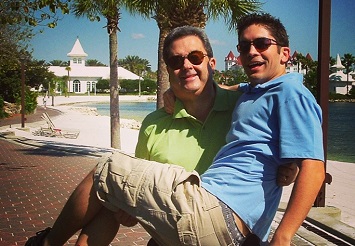
-
A Sermon of Truth About Depression
"The stigma felt especially daunting in the context of my profession: Pastors are supposed to be paradigms of perfection, to be endowed with the sort of faith that keeps them immune from something like mental illness." -
Suicide Prevention as a Social Justice Issue
If we only view suicide through the mental health lens, society will be very limited in its ability to change the issue. Because change is then reliant only on the mental health system and only on those who can access mental health care. We need to think bigger.