This webinar took place on November 13, 2025. The recording is available below.
Registration for the event is now closed.
Thursday, November 13, 2025 | 3:00 – 4:30 PM ET
Individuals with mental health conditions are disproportionately represented in the criminal justice system. Research suggests that more than one-third of individuals arrested in the United States has an underlying mental health condition. In addition, individuals with co-occurring mental health and substance use disorders are 12 times more likely to be arrested than general population, and six times more often than individuals with mental illness alone.
These criminal justice contacts pose significant risks to the individuals involved—police encounters may escalate tragically, jail can worsen mental health symptoms, and the lack of mental health treatment available through the criminal justice system means individuals often go without the services they need. Fortunately, there are evidence-based practices and promising strategies that courts and other justice system agencies can use to improve outcomes for individuals with mental health conditions.
In this session, a subject matter expert from All Rise will provide an overview of the Adult Treatment Court Best Practice Standards and highlight best practices and promising strategies implemented by programs from around the country.
Learning Objectives:
- Describe how individuals with mental health conditions and co-occurring substance use disorders are overrepresented in the criminal justice system.
- Become familiar with the Adult Treatment Court Best Practice Standards and how they apply to individuals with mental health conditions.
- Identify best practices and promising strategies to improve outcomes for justice-involved individuals with mental health conditions.
** REGISTRATION CLOSED **
Speakers:
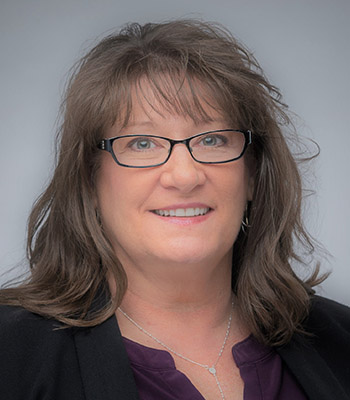
Meghan Wheeler, M.S.
Meghan Wheeler, M.S. is the director of standards and conference programming for All Rise. She is responsible for developing curricula, delivering training and technical assistance, creating tools to support the implementation of best practice standards for treatment court models, assisting in the development of best practice standards and developing the RISE conference program. In her 24-year tenure with All Rise, Ms. Wheeler has served as project director and senior consultant on the Adult and Family Treatment court Foundational Trainings, Operational Trainings, and Statewide Training and Technical Assistance. She has provided extensive training and technical assistance to treatment courts nationwide. Prior to her work with All Rise, she managed the statewide implementation of specialized dockets for the Supreme Court of Ohio, worked at the local level as a treatment court coordinator, and served as a counselor and clinical supervisor for a residential substance use treatment program. Ms. Wheeler has national, state, and local experience in the justice, treatment, child welfare, and social service related to clinical intervention, community supervision, case management, policy development, program management, grant writing, and curriculum design. She was previously an adjunct professor at Ashland University in the area of substance use and addiction She received her master’s degree in administration of justice, a bachelor’s in psychology, and a bachelor’s in criminal justice from Mercyhurst University.
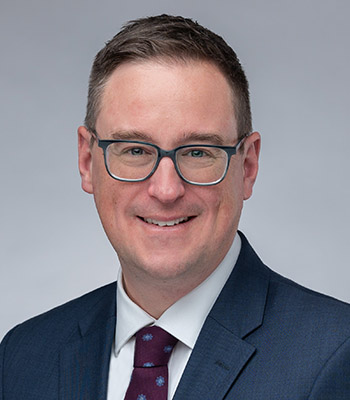
Aaron Arnold
Aaron Arnold is chief development officer at All Rise (formerly the National Association of Drug Court Professionals), where he works to develop new initiatives to strengthen justice system responses to substance use and mental health disorders. Prior to joining All Rise, Aaron spent 15 years at the Center for Court Innovation, overseeing the Center’s national work in the areas of treatment courts, community justice, alternatives to incarceration, and more. Aaron has served as a prosecutor with the Maricopa County Attorney’s Office in Phoenix, Arizona, where he gained first-hand experience working in several problem-solving courts. Aaron is graduate of Cornell University and the University of Arizona College of Law.

Shannon Scully
Shannon Scully is the Director of Justice Policy & Initiatives at NAMI’s national office, where she provides strategic guidance and leadership on the organization’s work at the intersection of mental illness and the criminal justice system. She engages federal agencies and Congress to advance NAMI’s key priorities in the areas of justice reform and crisis response and supports leaders across the NAMI Alliance to advance reforms at the state and local level to reduce justice system impact in the lives of people with mental illness.
Prior to joining NAMI, Ms. Scully has worked on a variety of issues to address the impact of the criminal legal and carceral system in disproportionately impacted communities. She began her career advocating for victims of crime in the court system in Cook County, IL.
Originally from Minnesota, Ms. Scully lives in the greater DC area with her husband and toddler. She holds degrees from the College of St. Benedict and American University.
More episodes
-
Hope Starts With Us: Driving Mental Health Innovation Through Advocacy and Community Support
-

NAMI Virtual Equity Summit: The Power of Storytelling, Partnership, and Advocacy – Advancing Mental Health Equity
-
Hope Starts With Us: How Family Support Can Help Mental Health Recovery
-

Hope Starts With Us: Stronger Than You Think: Athletes on Mental Health and Resilience