

Refine by
69 results found
-
Neuroplasticity: How I Survived Psychosis and Jail
"Neuroplasticity, my brain’s potential to adapt to change, proved to be crucial to both surviving incarceration and recovering from psychosis." -
A Plea for Compassion as Someone Who Was Arrested During Psychosis
To bring about meaningful change, the system itself has to be restructured and it starts, quite plainly, with having compassion. -
Podcasts Featuring Three Unique Perspectives on Serious Mental Illness Released in Partnership with APA’s SMI Adviser
NAMI has partnered with the APA’s SMI Adviser program to produce the Medical Mind Podcast series featuring NAMI Chief Medical Officer Ken Duckworth in conversations centered around experiences with bipolar disorder, major depressive disorder and early psychosis. -
Making a Difference One Person at a Time
"Treating someone living with mental illness with dignity and kindness is one of the best things you can do for them." -
My Spiral out of Reality
"To never have lived the struggles I’ve endured would be to erase who I am today." -
What Is It Like to Hallucinate?
"These experiences can occur at any time. They are a part of me, and I view them as natural as my left arm." -
What it Feels Like to be in Psychosis
"While I was experiencing psychosis, I believed the torment would never cease. But it did, and I want others to know that psychosis will not always persist. There is help and hope in all situations."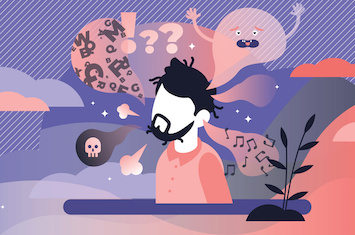
-
Experiencing a Psychotic Break Doesn’t Mean You’re Broken
Too often, people experiencing psychosis are told that their life will never be the same. This narrative is not only exaggerated, but it’s also inaccurate.
-
Responding to Bipolar Psychotic Symptoms
As you learn how to manage your own illness, you might start noticing your symptoms. It can be scary to realize that you are headed for a psychotic episode, but it is possible to do things that lessen the severity of, or even avert, psychosis. -
What Kept Me Going After My Episode
"I get up every morning to finish my new degree because I hope I can help people who are in crisis with words, not tasers. I help people with mental illness because I hope I can be that voice of educated experience that I never had after my first manic episode."