
Refine by
5,197 results found
-
Hope Starts With Us: Leading the Way to More Help, Less Handcuffs
In this episode of NAMI’s podcast, NAMI CEO Daniel H. Gillison Jr. speaks with former Justice Evelyn Lundberg Stratton about how the mental health field and the legal system can continue to work together to ensure people living with mental health conditions receive more help and less handcuffs. Tune in to hear about Justice Stratton’s work with NAMI, mental health advocates and criminal justice reform — and learn more about how you can get involved.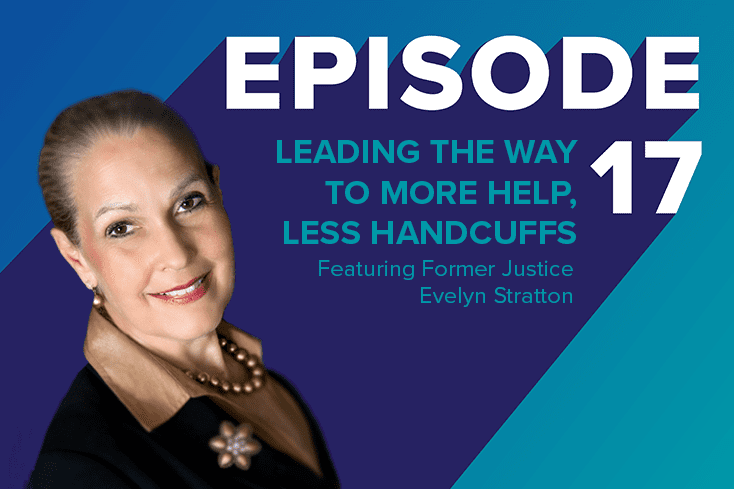
-
NAMI Statement on the Tragic Death of Irvo Otieno
The news and video of Irvo Otieno’s death can be triggering and traumatic. NAMI is here to help. If you need resources or support, contact the NAMI HelpLine, open Mon-Fri from 10 a.m. to 10 p.m. EDT, by calling 1-800-950-NAMI (6264), texting “HELPLINE” to 62640 or chatting at nami.org/help. -
Celebrating NAMI’s Role in Advocating for an Improved Criminal Justice System
It will take small victories, piling up over time, to reach our final goal. -
“NAMI Say It Out Loud” Virtual Card Game Will Prompt Important Mental Health Conversations Among Young People
The National Alliance on Mental Illness (NAMI) today released NAMI Say It Out Loud — a free virtual card game designed by young people, for young people — that is intended to prompt important conversations about life, relationships and mental health.
-
How the Justice System Fails Those with Mental Illness
We cannot expect to make progress when we keep those experiencing mental health crises in dehumanizing environments that exacerbate their symptoms. -
Survey Suggests Better Integration of 988 with Mobile Crisis Teams May Be Needed
Nearly a year since the launch of the 988 Suicide and Crisis Lifeline, there is still uncertainty about its role within the mental health system. One goal of 988 is to connect callers in urgent need of support with a mobile crisis team (MCT) in their area. However, a national survey of MCT personnel found that only a third of respondents (32%) indicated that their MCT could be reached by 988. Respondents were most likely to report that their MCT could be dispatched by calling the MCT directly (65%) or through 911 (54%). The findings highlight the need to continuously evaluate and improve 988 integration in communities, as well as the importance of communicating how individuals can reach an MCT if needed. To learn more, see the study in Psychiatric Services. -
Letter to Congressional Committee Leadership on Mental Health Workforce
Letter to Senate HELP Committee leadership in response to the request for information (RFI) on the health care workforce shortage. -
How Solitary Confinement Contributes to the Mental Health Crisis
Those with mental illness are overrepresented in solitary confinement, despite the vulnerability and threats to the mental health of those incarcerated. -
Letter to Members of Congress on Health Coverage
Letter to Members of Congress in opposition to S.184 and H.R. 277 – the Regulations from the Executive in Need of Scrutiny Act of 2023 (REINS Act). -
All People Deserve Quality Care, Including Those Who Are Incarcerated
Even though jails function as a hidden part of our health systems, they are not held to the same standard of quality care that we expect from health providers.